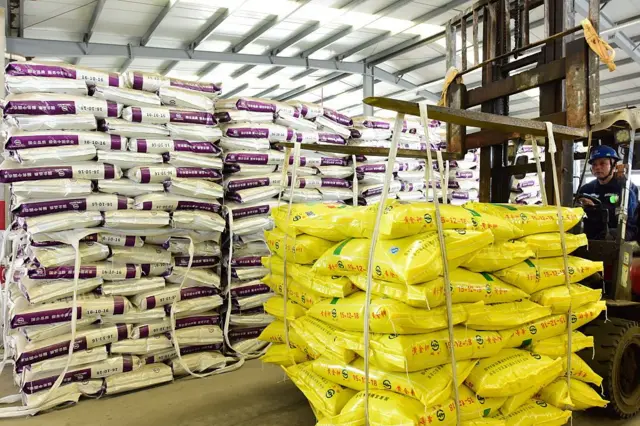
Rising tensions between the United States and Israel on one side and Iran on the other have significantly impacted the prices of a wide range of essential goods. Global markets have witnessed a notable increase in the prices of food, medicine, and smartphones, raising concerns about economic stability in the region.
The Strait of Hormuz, through which approximately 20% of the world's oil passes, is a vital strategic point. Any closure of this waterway would lead to significant disruptions in supply chains, which would directly reflect on shipping costs and the prices of goods in global markets.
Details of the Situation
In light of the potential military escalation, fears have grown that any intensification of the conflict could lead to the closure of the Strait of Hormuz. Numerous economic reports have warned that such a closure would particularly affect countries that heavily rely on imports, such as many Arab nations.
The goods most affected primarily include foodstuffs, as many countries depend on imports to meet their basic needs. Additionally, medicines, which rely on imported components, will also see price increases due to rising shipping costs.
Background & Context
Historically, the Strait of Hormuz has witnessed recurring tensions due to regional conflicts. In recent years, tensions between Iran and Western nations have intensified, leading to economic sanctions imposed on Tehran. These sanctions have significantly impacted the Iranian economy, prompting it to seek to bolster its influence in the region.
The civil war in Syria and conflicts in Yemen have further complicated the security situation in the region, making any military escalation in the Strait of Hormuz more likely.
Impact & Consequences
If the escalation continues, the consequences will be far-reaching. Food prices are expected to rise significantly, affecting the most vulnerable segments of society. Additionally, rising medicine prices could exacerbate health crises in many countries.
Moreover, the increase in prices of smartphones and other electronic devices will impact consumers, especially in countries that rely on modern technology in their daily lives.
Regional Significance
Arab countries are among the most affected by this situation, as many of them depend on imports to meet their basic needs. Any increase in prices will exacerbate economic and social crises in these countries.
Furthermore, rising tensions could lead to increased migration and displacement from conflict areas, placing additional burdens on neighboring countries hosting refugees.
In conclusion, Arab governments must take proactive steps to address these challenges by enhancing food security and developing strategies to reduce reliance on imports.