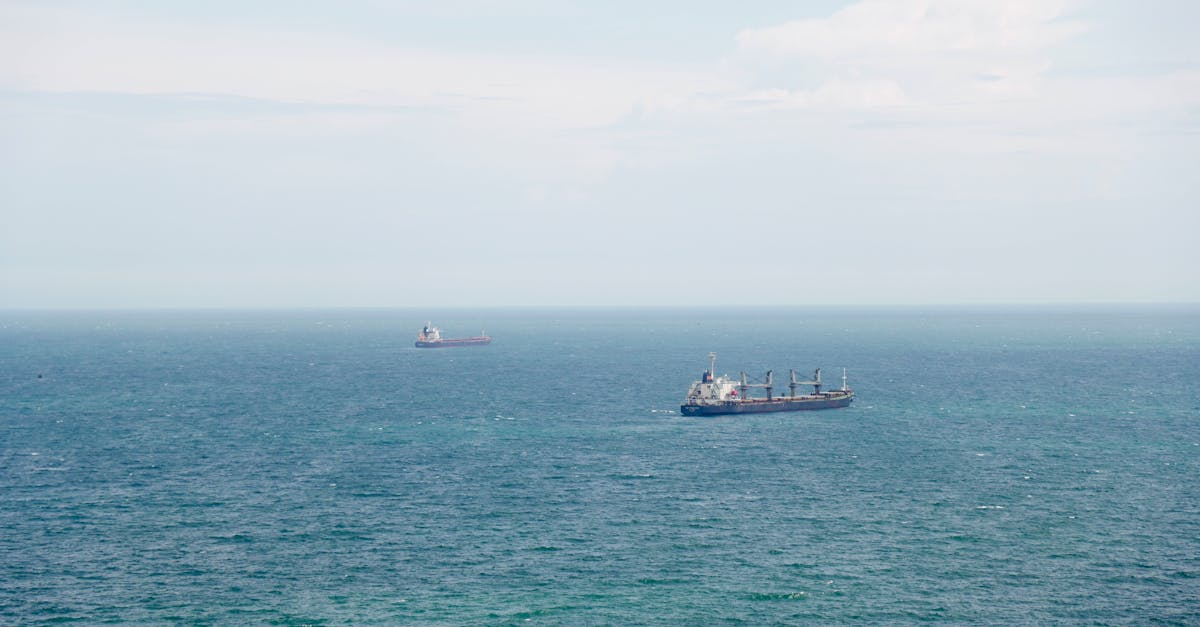
As tensions rise between U.S. pressures and Iranian actions, attention is turning to the Hormuz Strait, where concerns about the implications of this crisis on global shipping are becoming more pronounced. These tensions are reshaping the equation of maritime bottlenecks as a critical factor in the balance of the global economy.
In this context, Oman has long warned about the risks of military escalation in the Hormuz Strait, which oversees the southern shore of Musandam Governorate, home to approximately 55,000 residents. Al Jazeera correspondent Samir Al-Namri noted that recent meetings between Iranian Foreign Minister Abbas Araghchi, Sultan Haitham bin Tariq Al Said, and Foreign Minister Badr Al-Busaidi focused on ways to alleviate tensions.
Details of the Event
In addition to the Hormuz Strait, other maritime passages are emerging as significantly important, such as the Malacca Strait, which stretches approximately 900 kilometers between Indonesia, Malaysia, and Singapore. This strait is one of the busiest shipping routes in the world, with a substantial percentage of global energy supplies passing through it.
Al Jazeera bureau chief Samer Al-Alawi pointed out that a memorandum of conduct signed by the countries overseeing the Malacca Strait requires ships to notify them when approaching their shores; however, some countries, like the United States, do not adhere to these procedures, increasing the risks of militarization of the strait.
Background & Context
The Bosporus Strait is also a vital transit point, linking the Black Sea to the Sea of Marmara, witnessing the passage of approximately 40,000 ships annually. This high density of maritime traffic is increasing with countries' needs for energy supplies, and the strait has been affected by the Russian-Ukrainian war and tensions between Iran and the United States.
Turkey is pursuing the implementation of the Istanbul Canal project, estimated to cost around $15 billion, reflecting the importance of these maritime routes in enhancing trade and energy.
Impact & Consequences
The Strait of Gibraltar, bordered by Morocco and Spain, is also experiencing heavy traffic, with about 100,000 ships passing through it annually. Recently, the number of vessels crossing it has increased, particularly liquefied natural gas carriers, due to tensions in the Hormuz Strait.
These movements indicate a gradual reshaping of the map of energy and trade flows globally, as straits transition from mere transit points to geopolitical leverage affecting the international economy.
Regional Significance
These tensions directly impact Arab countries, where concerns are growing about their effects on energy prices and trade. The stability of maritime routes is vital for energy security in the region, necessitating enhanced cooperation among the concerned nations.
In conclusion, the tensions in the Hormuz Strait and other maritime routes reflect new challenges facing global trade and energy security, requiring a coordinated response from the involved countries to maintain the stability of these vital passages.