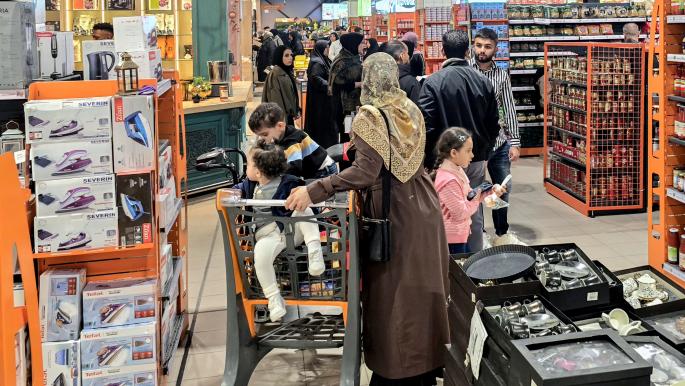
The repercussions of escalating tensions in the Hormuz Strait and Eastern Mediterranean are increasingly penetrating into Libya, where the crisis is no longer confined to navigation maps or oil price bulletins. These tensions are now directly impacting the lives of citizens in Libya, exacerbating inflation and affecting economic stability.
Reports indicate that the continuous rise in oil prices, which was expected to positively reflect on the Libyan economy, has faded in the face of pressures stemming from regional crises. As tensions escalate, Libyan citizens are facing greater challenges in securing their basic needs, raising concerns about their economic future.
Details of the Event
There are growing fears that tensions in the Hormuz Strait, one of the most important maritime routes for oil transport, could negatively impact the prices of essential goods in Libya. With global oil prices rising, Libya was expected to benefit from this increase; however, the reality suggests otherwise.
Libya is particularly affected due to its heavy reliance on oil exports as a primary source of revenue. However, geopolitical tensions are leading to increased transportation and logistics costs, negatively impacting local prices. Additionally, internal political crises cast shadows over the government's ability to effectively manage these situations.
Background & Context
Historically, Libya has witnessed numerous economic and political crises that have affected its stability. Since the overthrow of Muammar Gaddafi's regime in 2011, the country has suffered from internal conflicts and political tensions that have led to a deterioration of the economic situation. With escalating tensions in the region, the situation has become more complex.
Libya is considered one of the largest oil-producing countries in Africa, but it faces significant challenges in effectively utilizing these resources. The tensions in the Hormuz Strait, through which approximately 20% of global oil passes, complicate the situation further, affecting oil prices and production costs.
Impact & Consequences
The repercussions of tensions in the Hormuz Strait extend beyond their impact on oil prices, leading to increased inflation in essential goods. Libyan citizens are facing difficulties in securing their daily needs, which raises poverty and unemployment rates. Furthermore, political instability complicates the government's efforts to address these issues.
Economic reports predict that these tensions will continue to affect the Libyan economy in the near future, necessitating urgent actions from the government to improve the economic situation. The challenges facing the country require effective strategies to deal with economic and political crises.
Regional Significance
The tensions in the Hormuz Strait are a matter of concern for all Arab countries, as they affect the stability of the entire region. With increasing economic crises in countries like Libya, there is growing concern about the impact on food and economic security in neighboring countries.
These conditions require greater regional cooperation to tackle common challenges. Coordination among Arab countries can help mitigate the negative impact of regional tensions on their economies.
In conclusion, regional crises and geopolitical tensions remain major challenges facing Libya, necessitating an effective response from the government and the international community to ensure the country's stability and improve the living conditions of its citizens.