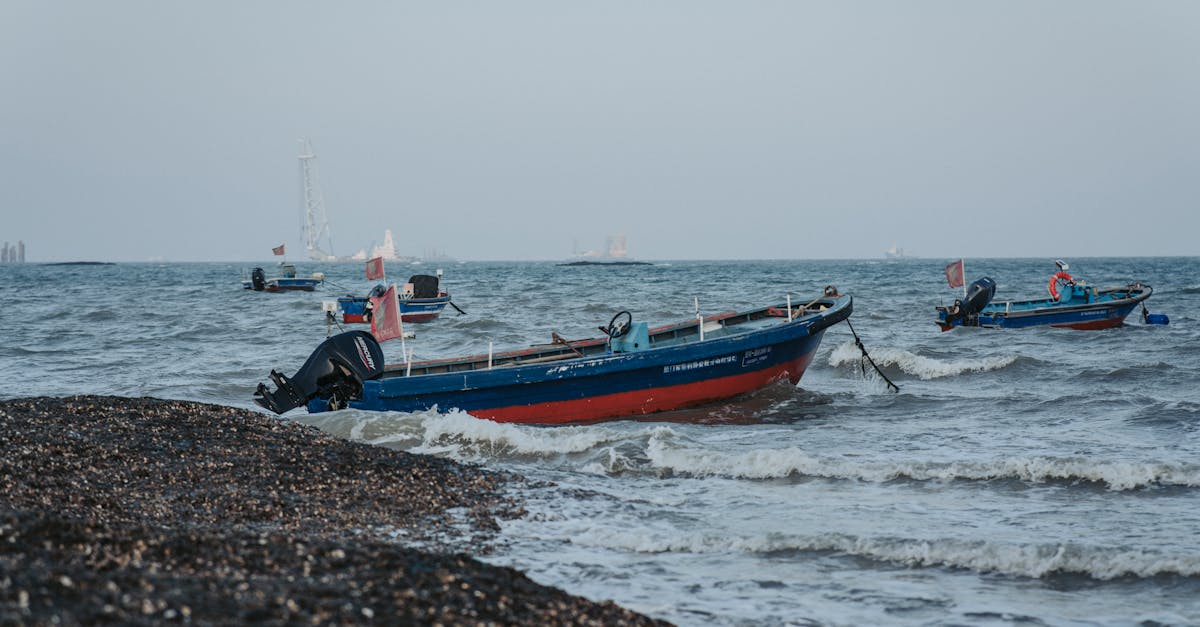
All eyes are on the Strait of Hormuz, where geopolitical tensions are intensifying, raising concerns about their impact on global energy and food supplies. As oil prices surge, a new crisis emerges that threatens food security, placing the world before unprecedented challenges.
Reports indicate that a closure of the strait or any military escalation could lead to a sharp increase in oil prices, which would directly affect agricultural production costs and food transportation. Under these circumstances, it becomes essential to understand how this crisis could impact food supply chains across the globe.
Details of the Situation
The Strait of Hormuz, considered one of the most important maritime passages in the world, sees about 20% of global oil supplies passing through it. Any disruption in this corridor could lead to a significant rise in oil prices, affecting economies that rely on energy imports. At the same time, concerns are growing that rising energy prices will increase agricultural production costs, negatively impacting food prices.
Tensions in the region are escalating, with major powers exchanging accusations and showcasing their military strength. This atmosphere increases instability, reflecting on global markets. Studies have shown that any escalation in the region could lead to food prices rising by as much as 30%, putting additional pressure on low-income households.
Background & Context
Historically, the Strait of Hormuz has witnessed numerous crises that have impacted global energy supplies. In the 1980s, there were naval wars between Iran and Iraq, which led to a significant rise in oil prices. Today, it seems history is repeating itself, with growing fears that any military escalation could lead to similar outcomes.
Moreover, food crises are not new to the world, but they are exacerbated under current conditions. In recent years, we have seen food prices rise due to climate change and political crises. Now, with escalating tensions in the Strait of Hormuz, we may be facing a new food crisis.
Impact & Consequences
The Hormuz crisis is expected to significantly affect global markets. Rising oil prices will lead to increased transportation and production costs, which will be reflected in food prices. Developing countries, which heavily rely on food imports, will be the most affected. Additionally, countries experiencing economic crises may find themselves in a difficult position due to these developments.
Furthermore, the psychological impact on consumers will be evident. As prices rise, people may feel anxious about their ability to secure their food needs. This anxiety could lead to increased demand for food, potentially exacerbating the crisis.
Regional Significance
The implications of the Hormuz crisis extend beyond economics; they touch on regional stability and security. The strait's strategic importance means that any disruption could have ripple effects across neighboring countries and beyond. As nations grapple with the economic fallout, the potential for social unrest increases, particularly in vulnerable regions.
In conclusion, the ongoing tensions in the Strait of Hormuz not only threaten energy supplies but also pose a significant risk to global food security. The interconnectedness of these issues highlights the urgent need for diplomatic solutions to de-escalate the situation.