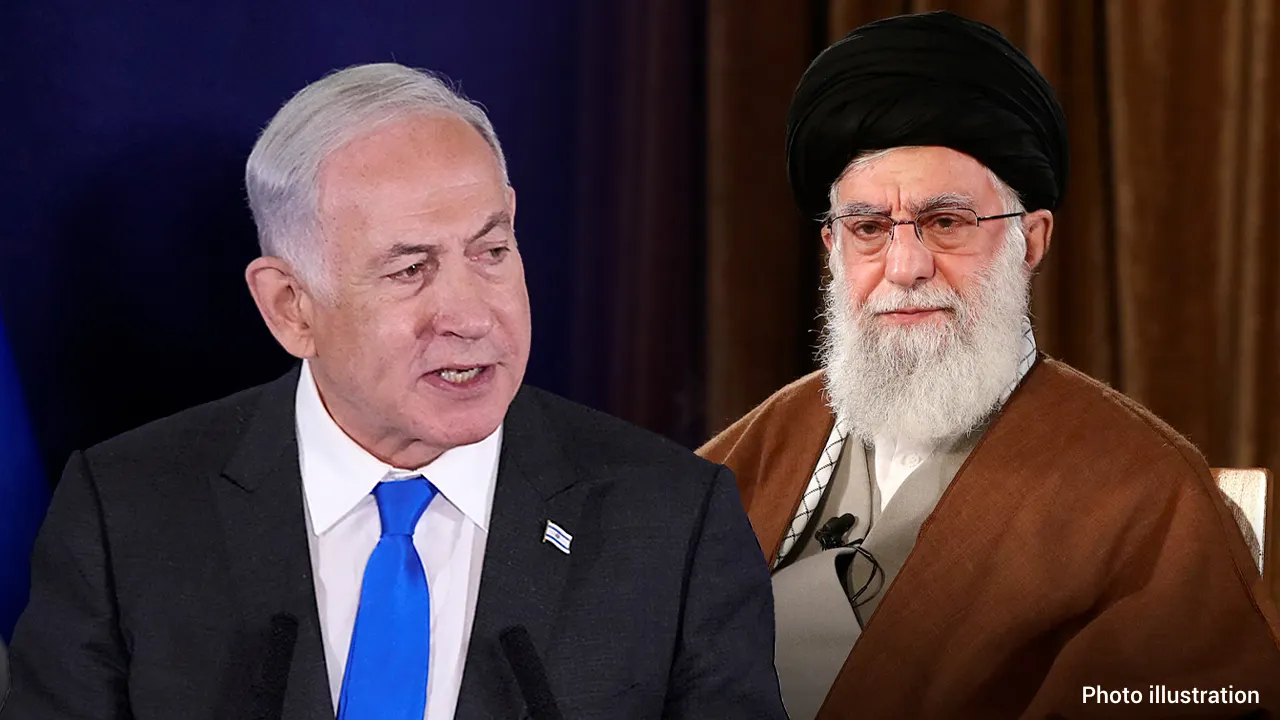
The escalation of military tensions in Iran has heightened fears among investors in Asian markets, leading to a significant decline in stock indices. This comes at a sensitive time as global markets await any new developments that may impact regional stability.
Reports from Bloomberg indicate that the increasing tensions in the Middle East, particularly in Iran, have significantly affected financial market movements. Investors in both Tokyo and Sydney are concerned about the implications of these events on the global economy.
Details of the Event
In recent days, Iran has witnessed an escalation in military activities, raising concerns within the international community. Military reports have detected unusual movements of Iranian forces, increasing the likelihood of armed conflict. These developments come at a time when the global economy is still grappling with the effects of the COVID-19 pandemic, complicating the situation further.
Financial markets have been significantly affected, with stock indices in many Asian countries experiencing declines. For instance, the Nikkei index in Japan dropped notably, reflecting a state of uncertainty among investors. Similarly, markets in Australia have seen price declines, mirroring fears of the potential impact of conflict on global trade.
Background & Context
Historically, Iran has been a center of geopolitical tensions in the region, having experienced several conflicts and clashes with Western powers. Since the United States withdrew from the Iranian nuclear deal in 2018, tensions have escalated significantly, leading to the imposition of stringent economic sanctions on Tehran. These sanctions have severely impacted the Iranian economy, prompting the government to adopt more aggressive military measures.
In recent years, there have been attempts by some Arab countries to find diplomatic solutions to the Iranian crisis, but these efforts have yet to yield tangible results. As tensions rise, it appears that peaceful solutions are becoming increasingly difficult.
Impact & Consequences
The current tensions in Iran could lead to significant economic repercussions on a global scale. If the situation continues to escalate, we may witness a rise in oil prices, which would affect economies that heavily rely on energy. Additionally, any military conflict could disrupt trade flows in the region, exacerbating economic concerns.
Moreover, these tensions may lead to an increase in the prices of essential commodities, impacting consumers worldwide. At the same time, investors may turn towards safer assets like gold, increasing volatility in financial markets.
Regional Significance
For Arab countries, the escalation of tensions in Iran poses a significant challenge. Many Arab nations are concerned about the potential impacts of any conflict on their security and stability. Furthermore, relations between Iran and Arab states could be severely affected, intensifying tensions in the region.
Simultaneously, some Arab countries may seek to strengthen their alliances with Western powers to counter Iranian threats. This could lead to changes in regional alliances and complicate the political landscape in the Middle East.