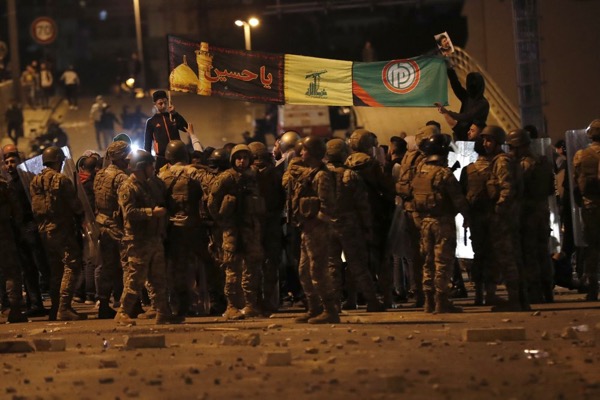
Lebanon is witnessing rising tensions between Hezbollah and the Amal Movement, as both sides exchange accusations regarding the deteriorating political and economic situation in the country. This comes at a time when Lebanese citizens are suffering from multiple crises, including currency collapse and rising unemployment rates.
Concerns are growing that these tensions could exacerbate the security situation in the country, especially amid the deep political divisions that have plagued Lebanon for years. Observers have noted that these events may negatively impact efforts to form a new government, further increasing the suffering of citizens.
Details of the Event
Recently, Hezbollah and the Amal Movement have exchanged accusations regarding responsibility for the current crises. Hezbollah accused the Amal Movement of failing to cooperate in addressing the economic situation, while the Amal Movement responded by stating that Hezbollah is the main cause of the political chaos.
These statements come at a sensitive time, as Lebanon seeks to regain stability after years of turmoil. Reports have shown that the economic situation in Lebanon has reached unprecedented levels of deterioration, significantly affecting the lives of citizens.
Background & Context
Lebanon has been suffering from a crippling economic crisis since 2019, leading to the collapse of the Lebanese pound and rising poverty rates. These crises have been exacerbated by the outbreak of the COVID-19 pandemic, which has impacted vital economic sectors.
Historically, the relationship between Hezbollah and the Amal Movement has been complex, with both parties cooperating at times while competing at others. This current tension reflects the deep divisions in the Lebanese political landscape, characterized by complexity and interconnection.
Impact & Consequences
These tensions could worsen the security situation in Lebanon, as citizens fear the outbreak of new violence. Furthermore, the continuation of this political conflict may delay any efforts to implement necessary economic reforms.
Moreover, the divisions between Hezbollah and the Amal Movement could affect the Lebanese government's ability to make decisive decisions at a time when the country needs a swift response to multiple crises.
Regional Significance
The situation in Lebanon serves as an indicator of the challenges faced by many Arab countries amid economic and political crises. The tensions between political parties in Lebanon may inspire protest movements in other countries suffering from similar issues.
Additionally, the situation in Lebanon could impact regional stability, as the country is a meeting point for many regional and international powers. Any escalation in the situation could affect relations between these powers and complicate the regional landscape.
In conclusion, the situation in Lebanon remains complex, with increasing political and economic challenges. The Lebanese people are looking for swift solutions, but the current tensions may hinder any progress towards stability.