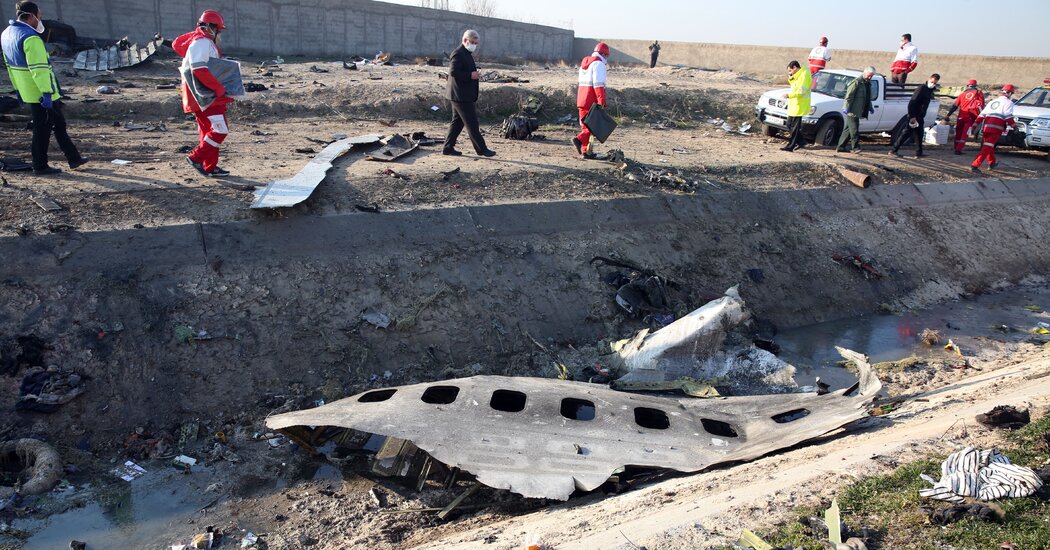
International flight operations are increasingly disrupted due to escalating conflict in Iran, where these developments are leading to a reduction in available air routes. Under these circumstances, European authorities have issued warnings regarding the growing concentration of air traffic on limited routes and the use of unconventional paths, which may increase aviation safety risks.
The international aviation sector is one of the most affected by geopolitical tensions, as air routes are directly impacted by conflicts and disputes. With the escalation of events in Iran, airlines have begun to reassess their routes to avoid high-risk areas, resulting in fewer options available for travelers.
Details of the Situation
Reports indicate that the escalating conflict in Iran has led to an increased use of drones in military operations, raising concerns about civil aviation safety. European aviation agencies have expressed concern that the focus on limited routes could lead to unprecedented air congestion, increasing the likelihood of accidents.
In this context, European authorities have urged airlines to take additional precautions, including reviewing their routes and updating emergency plans. The importance of cooperation among countries has also been emphasized to ensure aviation safety in European and global airspace.
Background & Context
Historically, the Middle East has witnessed numerous armed conflicts that have affected aviation operations. The conflict in Iran is not new, but it is escalating amid current political and economic tensions. Since the United States withdrew from the Iranian nuclear agreement, the region has seen an escalation in military actions, impacting airspace stability.
Iran serves as a vital hub for aviation in the region, connecting many countries. As the conflict escalates, it has become essential to reassess air routes to avoid high-risk areas. This requires international coordination to ensure the safety of travelers.
Impact & Consequences
The repercussions of the conflict in Iran extend beyond its geographical boundaries, affecting air travel worldwide. The reduction in air routes may lead to increased travel costs and flight delays, impacting the global economy. Additionally, the increased use of drones in conflicts could open the door to further tensions in the skies.
These circumstances necessitate proactive measures from airlines to ensure passenger safety, including updating air navigation systems and training crews to handle crises. Governments must also work to enhance international cooperation to guarantee aviation safety.
Regional Significance
For the Arab region, the escalating tensions in Iran may affect air travel between Arab countries and Iran. Arab airlines may be particularly impacted, as they may have to change their routes or cancel flights to certain destinations. This could lead to increased costs for travelers and affect tourism.
Moreover, stability in the region heavily relies on aviation safety, as any incidents could exacerbate security situations. Therefore, cooperation between Arab countries and Iran in the field of aviation is vital to maintain passenger safety.
In conclusion, amid the escalating conflict in Iran, the importance of reassessing flight routes and ensuring passenger safety becomes evident. The current situation requires international coordination and cooperation among nations to ensure the stability of aviation operations in the region and the world.