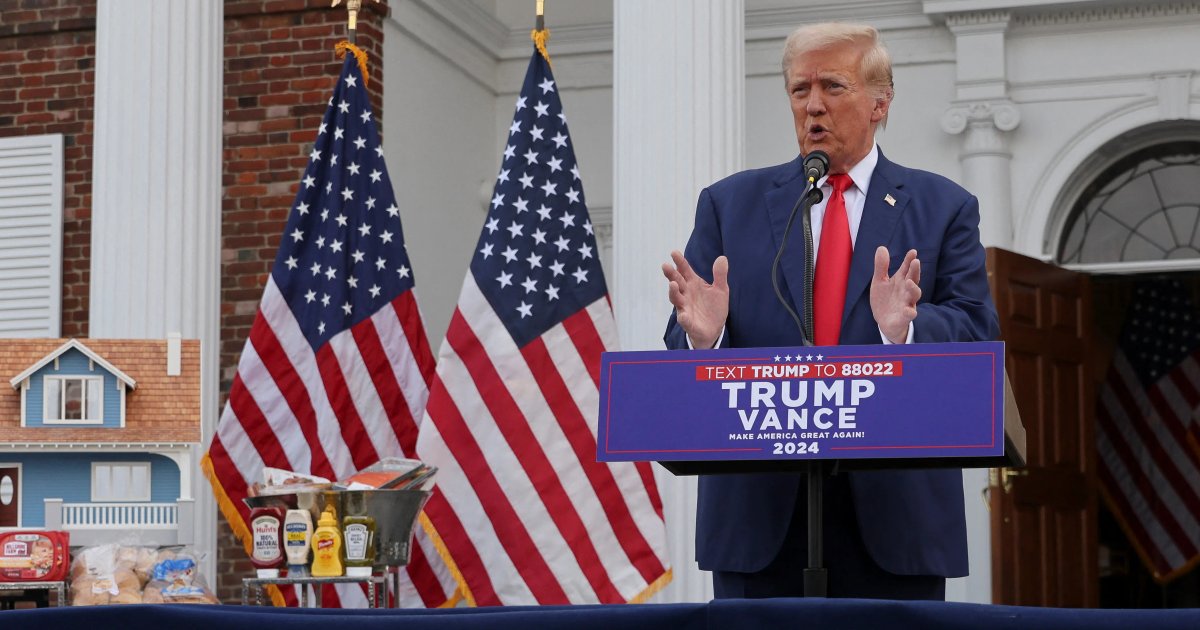
Energy markets are experiencing heightened tensions following former President Donald Trump's threats regarding Kharg Island, which is considered one of the most important oil export points in the world. This threat has raised widespread concern among investors and experts, who warn that oil prices could reach $200 per barrel if tensions continue or military actions erupt in the region.
Kharg Island, located in the Arabian Gulf, is a strategic hub for Iranian oil exports, significantly contributing to the Iranian economy. Trump's threats come at a sensitive time, as political and economic pressures on Iran are increasing, raising the likelihood of escalating situations in the region.
Details of the Incident
In recent days, Trump has made controversial statements about the possibility of seizing Kharg Island, which has elicited varied reactions from Iranian officials. They view these statements as a direct threat to their country's sovereignty, potentially leading to military escalation in the region. Trump indicated that controlling this island would help reduce reliance on Iranian oil, which could significantly impact global oil prices.
It is worth noting that oil prices have experienced sharp fluctuations in recent years, heavily influenced by political and economic events in the Middle East. With rising tensions, experts expect further volatility in the markets, which could lead to unprecedented price increases.
Background & Context
Historically, Kharg Island has been the focal point of numerous regional disputes, serving as a major launch point for Iranian oil exports. In recent years, tensions between Iran and the United States have escalated, especially following Washington's withdrawal from the nuclear deal in 2018. This withdrawal led to the imposition of strict economic sanctions on Iran, adversely affecting its economy and intensifying regional tensions.
In this context, Trump's threats are part of his political strategy, as he seeks to strengthen his position on the international stage by taking a hard stance against Iran. This could lead to escalating situations, increasing risks for global oil markets.
Impact & Consequences
If tensions surrounding Kharg Island persist, it could lead to negative impacts on global oil prices. Experts warn that oil prices could rise to record levels, affecting the global economy as a whole. Rising prices will increase transportation and production costs, which may negatively reflect on the prices of goods and services.
Moreover, escalating situations in the region could lead to broader political and economic repercussions, potentially exacerbating humanitarian crises in neighboring countries and heightening tensions between major powers in the region.
Regional Significance
Arab countries are significantly affected by tensions in the Gulf region, as many of these nations rely on oil exports as a primary source of revenue. Rising oil prices may have positive effects on some oil-producing countries, but at the same time, it could worsen economic crises in importing countries.
Under these circumstances, Arab nations must take proactive steps to address potential challenges, including enhancing regional cooperation and developing alternative strategies to reduce reliance on oil.
In conclusion, Trump's threats regarding Kharg Island open the door to multiple scenarios that could impact global oil markets. As tensions escalate, the most pressing question remains: how will the concerned nations address these challenges to ensure stability in energy markets?