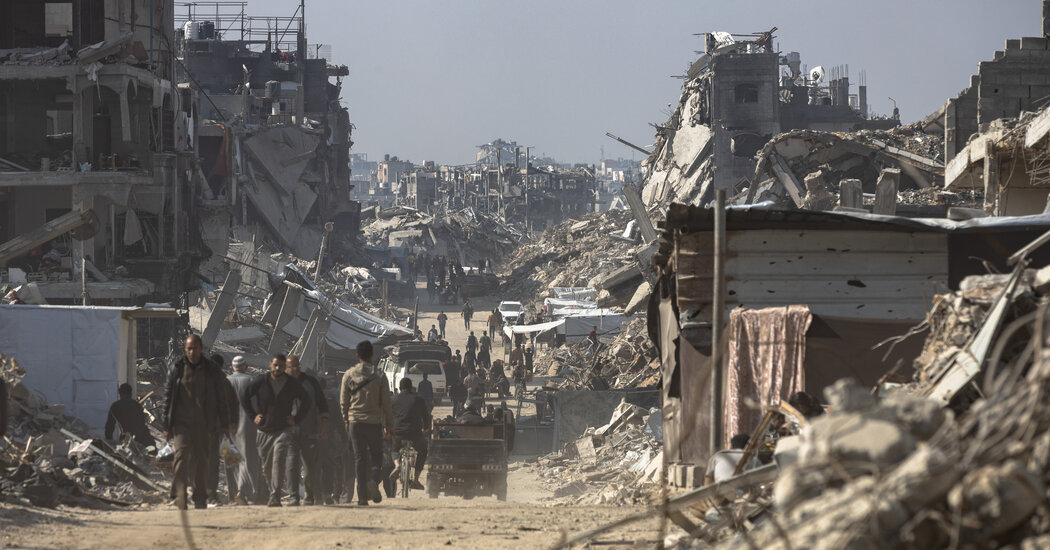
The region is witnessing a rise in tensions, threatening stability and increasing fears of greater escalation. Calls for de-escalation are growing amid the tense situation.
As the rhetoric intensifies among the involved parties, there is an urgent need for dialogue and understanding to avoid any escalation that could lead to serious repercussions for regional security.
Details of the Incident
Reports indicate that the recent escalation began as a result of a series of consecutive events, including military maneuvers and hostile statements. These events come at a sensitive time when the international community is striving to achieve stability in the region.
On the other hand, reports have noted unprecedented military movements in certain areas, raising concerns among neighboring countries and international observers. There are fears that this escalation could lead to armed conflicts that may have severe consequences for civilians.
Background & Context
Historically, the region has experienced numerous crises that have led to heightened tensions, ranging from regional conflicts to external interventions. These crises have often been the result of a mix of political, economic, and social factors.
In recent years, tensions have intensified due to ongoing conflicts, making stability a distant goal. Economic and social crises have exacerbated the situation, making it difficult to achieve lasting peace.
Impact & Consequences
If tensions continue to escalate, it could lead to serious repercussions for regional security. Relationships between neighboring countries are likely to be affected, increasing the chances of new conflicts erupting.
Moreover, the escalation may impact the regional economy, as trade and investment flows could be affected due to concerns over instability. These factors could further worsen the economic conditions in the countries of the region.
Regional Significance
The Arab region is at the heart of these tensions, where any escalation could affect the security and stability of Arab nations. It is crucial that regional and international efforts are combined to achieve de-escalation and avoid any escalation that could lead to new conflicts.
In light of these circumstances, the importance of dialogue emerges as a means to achieve stability. Countries must work to enhance cooperation and exchange views to prevent any escalation that could have dire consequences for the entire region.