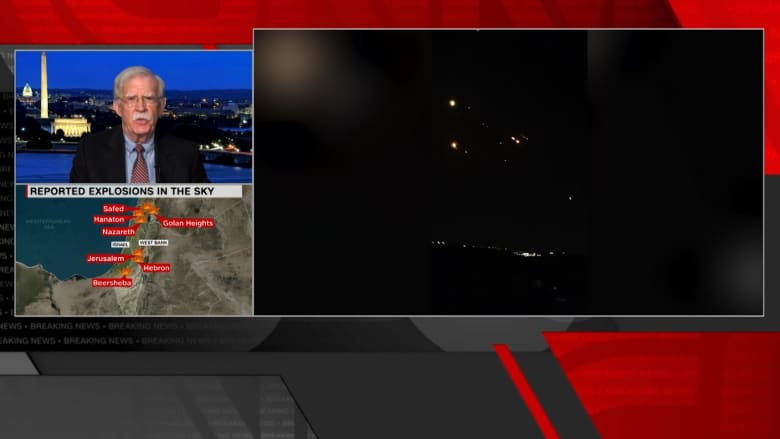
The US-Israeli war on Iran has entered its 27th day, with military confrontations escalating in the region, and tensions continuing between Hezbollah and Israel in southern Lebanon. This war, which began earlier last month, has resulted in serious repercussions for regional security, raising concerns among neighboring countries.
Military operations by US and Israeli forces against Iranian targets are ongoing, with reports indicating that military pressure is increasing on Tehran, which is striving to defend its interests in the region. Simultaneously, Hezbollah continues to respond to Israeli attacks, complicating the security situation in Lebanon.
Details of the Conflict
Information indicates that military operations include airstrikes and artillery shelling on Iranian sites in Iraq and Syria, in addition to targeting Hezbollah positions in Lebanon. These operations have resulted in numerous casualties, heightening tensions among the involved parties.
At the same time, Israel continues to bolster its military presence along the Lebanese border, closely monitoring Hezbollah's movements. Israeli military sources have confirmed that any attack by Hezbollah will be met with a strong response, increasing the likelihood of conflict escalation.
Background & Context
The roots of the current tensions trace back to years of conflict between Iran and Israel, where Iran's support for Hezbollah is considered part of its regional strategy to counter Israeli influence. Recent years have witnessed an increase in military activities between the two sides, exacerbating the situation in the region.
Additionally, the war in Ukraine and its impact on energy prices and the global economy have contributed to rising tensions, as major powers seek to secure their interests amid these changing circumstances. This situation reflects the significant challenges faced by countries in the region and complicates the security landscape.
Impact & Consequences
The repercussions of this war extend beyond Iranian borders, potentially leading to greater escalation in the region, threatening the stability of neighboring countries. The continuation of confrontations may also impact the global economy, especially given the heavy reliance on Iranian oil.
Concerns are growing that this war could lead to a humanitarian crisis in the affected areas, where civilians are suffering from the effects of the conflict. There is also anxiety that escalation could result in greater international intervention, potentially altering the balance of power in the region.
Regional Significance
Neighboring Arab countries are on high alert, closely monitoring the developments. The escalation of tensions between Iran and Israel could affect the national security of Arab states, particularly those with shared borders with Lebanon and Syria.
There are also fears that the conflict could increase sectarian divisions in the region, threatening stability in countries like Iraq and Syria. Under these circumstances, Arab nations need to enhance security and political cooperation to address the growing challenges.
In conclusion, the US-Israeli war on Iran remains a pivotal event on the international stage, with risks and challenges increasing in the region. The current situation requires careful analysis and international cooperation to ensure regional stability.