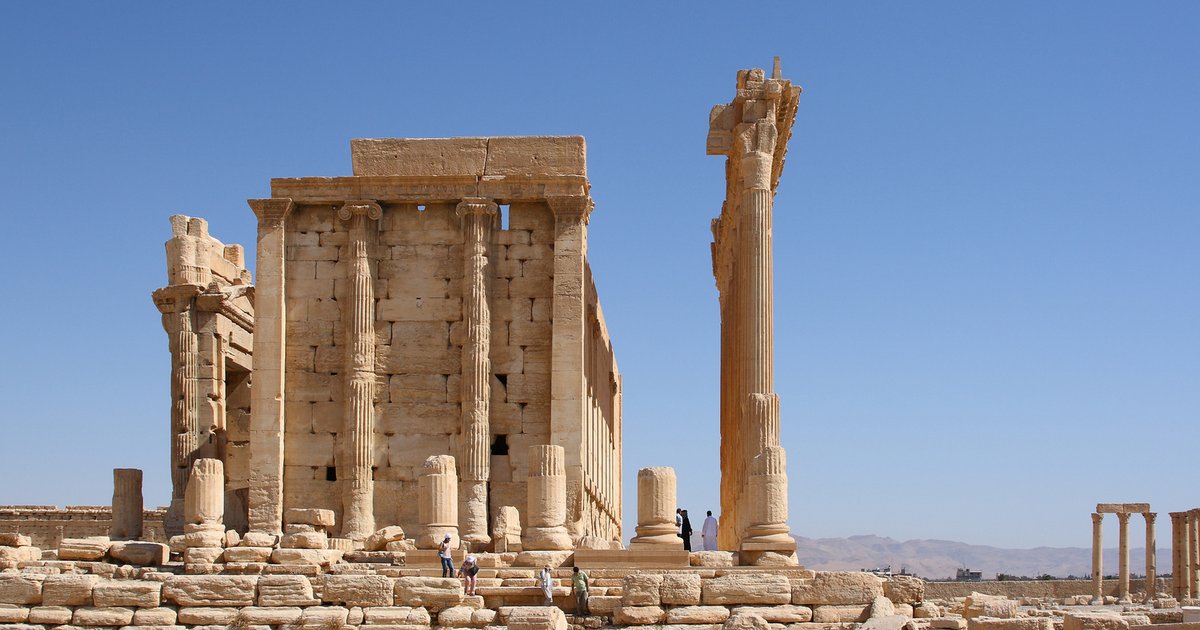
Indonesian Culture Minister Fahdli Zon has warned that escalating violence in the Middle East threatens the region's cultural heritage, as the current situation poses a significant danger to civilian lives and negatively impacts cultural identity. This statement was made from the capital Jakarta, where he emphasized the importance of protecting cultural heritage during armed conflicts.
Zon explained that armed conflicts do not only lead to the destruction of buildings and archaeological sites but also extend to the erosion of historical memory and cultural values that are passed down from generation to generation. He pointed out that these actions lead to the disintegration of the social fabric and deepen psychological trauma, hindering opportunities for peace and reconciliation after the conflict ends.
Details of the Event
In light of the escalating conflicts in the region, Zon called on all parties involved to respect international humanitarian laws, including the protection of cultural heritage and archaeological sites from attacks and assaults. He also stressed the necessity of ensuring the safety and security of peacekeeping forces, noting that any destruction of cultural heritage constitutes a crime against humanity.
The minister also highlighted Indonesia's commitment to supporting international efforts to protect cultural heritage, including cooperation with UNESCO and relevant national bodies. He affirmed that the loss of human lives and the destruction of cultural heritage represent a deep wound for humanity.
Background & Context
Historically, the Middle East has witnessed numerous armed conflicts that have led to the destruction of cultural heritage. From Iraq to Syria, archaeological and historical sites have been devastated, affecting the cultural identity of the peoples. Protecting cultural heritage during times of conflict is not merely a legal responsibility but a moral duty imposed by history and humanity.
It is noteworthy that the 1954 Hague Convention for the Protection of Cultural Property in the Event of Armed Conflict represents an international legal framework for protecting cultural heritage, but the implementation of this convention faces significant challenges under current circumstances.
Impact & Consequences
The recent statements by the Indonesian Culture Minister underscore the importance of protecting cultural heritage as part of safeguarding human identity. The destruction of cultural heritage is not limited to physical impact; it also encompasses psychological and social dimensions that affect communities. Each destroyed artifact represents a part of the history and culture of peoples, and its loss signifies the loss of a part of identity.
Moreover, the destruction of cultural heritage exacerbates feelings of frustration and despair among affected communities, increasing the likelihood of violence and conflicts. Therefore, protecting cultural heritage must be an essential part of any peace and reconciliation efforts.
Regional Significance
The Arab region is part of this context, having witnessed many Arab countries embroiled in armed conflicts that have led to the destruction of cultural heritage. From Iraq and Syria to Libya and Yemen, Arab communities face significant challenges in preserving their cultural identity. Maintaining cultural heritage is crucial for building a sustainable future that contributes to promoting peace and stability in the region.
In conclusion, the international community must remain vigilant regarding the threats facing cultural heritage in the Middle East and work to enhance efforts to protect it. Protecting cultural heritage is not the responsibility of a single state; rather, it is a collective duty that requires cooperation and solidarity among all countries and communities.