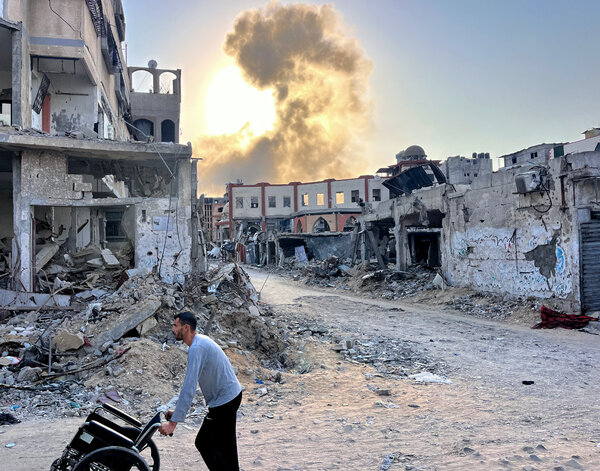
Pakistan's Minister of Planning and Development, Ahsan Iqbal Chaudhry, announced that the Israeli escalation in Lebanon jeopardizes the diplomatic talks set for Friday in Islamabad, which will bring together officials from the United States and Iran. He emphasized that the continuous bombardment of Beirut undermines the "spirit of the peace process" and disrupts efforts aimed at achieving a comprehensive settlement and a lasting ceasefire.
In an interview with Al Jazeera, Chaudhry pointed out that Israel initiated this conflict, warning that any undermining of the peace process would not serve any party's interests. He affirmed that Pakistan plays the role of a "trusted mediator" between Tehran and Washington, noting that both sides recognize the region's need for "lasting foundations for peace," which has driven the organization of the anticipated meeting.
Event Details
Chaudhry stressed that despite Pakistan's good relations with the United States, it remains steadfast in its principled position supporting Iran against "Israeli aggressions." He clarified that the Iranian leadership appreciates Pakistan's active role in ending the conflict, reflecting the importance of Pakistani mediation at this time.
In an economic context, Chaudhry warned that the world can no longer withstand the ongoing conflict, indicating that 193 countries are suffering from the repercussions of tensions with Iran due to global reliance on fuel. He explained that any disruption to supply chains, especially in the Strait of Hormuz, would lead to skyrocketing prices from Australia to the United States, making a ceasefire a "paramount international interest."
Background & Context
The American news site Axios reported a White House official stating that a ceasefire would take effect as soon as Iran opens the Strait of Hormuz. The upcoming meeting in Pakistan is considered the first face-to-face negotiation between Americans and Iranians since the war began, increasing the significance of these talks in light of the rapidly evolving events in the region.
The minister also revealed direct communication with all parties to remove obstacles, confirming that the discussions will explore mechanisms for reopening the strait and ensuring the sustainability of supply flows, provided all parties commit to the ceasefire terms.
Impact & Consequences
Chaudhry described Friday's talks as a "historic opportunity," urging everyone to support them to end the ongoing conflict in the Middle East that has persisted for decades. He noted that the conflict has caused significant damage to the global economy, resulting in suffering for the people in the region.
In response to reports suggesting Lebanon's exclusion from the anticipated deal, the Pakistani minister emphasized the need not to preempt the outcomes of the discussions, asserting that a "comprehensive settlement" must include all fronts. He deemed the ongoing Israeli targeting of Lebanon as an "irresponsible act" aimed at creating conditions that disrupt peace opportunities.
Regional Significance
Chaudhry called on countries with influence over Israel to exert real pressure for restraint and to ensure the success of the Islamabad initiative. This truce comes after nearly six weeks of military confrontations in the region, which have resulted in thousands of casualties, including a significant number of civilians within Iran.
In closing, Chaudhry indicated that the military escalation in the region could place it on the brink of unprecedented escalation, necessitating urgent action to end the conflict and achieve sustainable peace.