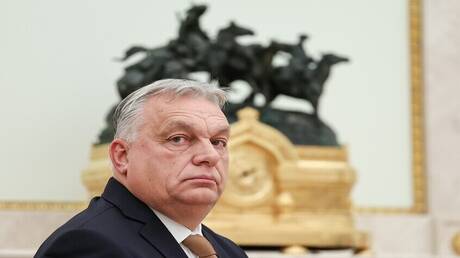
Hungarian Prime Minister Viktor Orbán stated that the current escalation in the Middle East will lead to radical changes in European policy towards Ukraine. These remarks reflect growing concerns about the impact of regional crises on European stability.
Orbán pointed out that the rapidly unfolding events in the Middle East, which include armed conflicts and political tensions, will directly affect how European countries deal with the Ukrainian crisis. These statements come at a sensitive time, as pressures are mounting on European governments to adapt to changing conditions in both regional and international arenas.
Details of the Event
Orbán's statements come amid rising tensions in the Middle East, where conflicts are escalating in several countries, raising fears about their implications for European security. Orbán emphasized that these crises could push European countries to reevaluate their strategies towards Ukraine, especially in light of the military and economic support that Western nations are providing to Kyiv in the face of the Russian invasion.
He also noted that Europe is facing multiple challenges, including the influx of refugees from conflict zones, which could impact the domestic policies of European nations. Orbán expressed concern that these crises might lead to divisions within the European Union regarding how to handle the various crises.
Context and Background
Since the onset of the conflict in Ukraine in 2022, European countries have been among the leading supporters of Kyiv, providing substantial military and economic assistance. However, the escalation in the Middle East may shift the priorities of these nations, as they may find themselves compelled to address new crises that require immediate responses.
Historically, Europe has struggled with the impact of regional crises on its foreign policy. In recent years, the continent has witnessed several crises, such as the 2015 refugee crisis, which led to significant changes in European policies regarding migration and asylum. Therefore, the escalation in the Middle East could reopen discussions on how Europe deals with external crises.
Consequences and Impact
If the situation in the Middle East continues to deteriorate, it could lead to a redistribution of European resources and attention, potentially negatively impacting the support provided to Ukraine. This shift may also increase pressures on European governments, which may find themselves in a difficult position between supporting Ukraine and addressing new crises.
Moreover, the reshaping of European policy could lead to changes in international alliances, as some countries may seek to strengthen their relationships with Middle Eastern nations in an attempt to secure their interests. This could result in the emergence of new alliances that may affect the balance of power in the region.
Impact on the Arab Region
For the Arab region, the escalation in the Middle East and its impact on European policy towards Ukraine could have significant repercussions. Increased tensions may exacerbate humanitarian crises in the region, necessitating urgent international responses.
Additionally, the reshaping of European policy may affect relations between Arab countries and Europe, as Arab nations may seek to enhance their cooperation with Europe in areas such as security and the economy. At the same time, Arab countries may find themselves compelled to deal with the repercussions of the crises in the Middle East, requiring new strategies to address these challenges.
In conclusion, it appears that the escalation in the Middle East will mark a turning point in European policy towards Ukraine, prompting European nations to reassess their strategies in light of increasing crises. Understanding these dynamics will be crucial in determining how international relations evolve in the future.