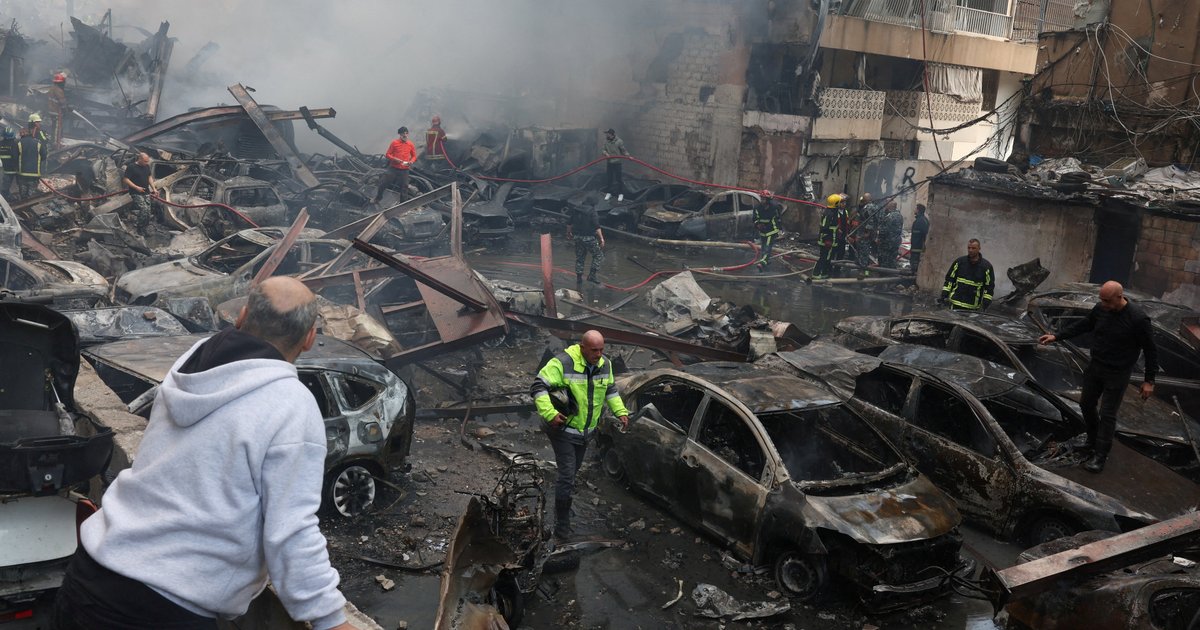
Medical sources in Beirut have reported a significant influx of casualties at the city's largest public hospital, resulting from an unprecedented wave of Israeli attacks on Lebanon. Safa Blake, a medical coordinator with Doctors Without Borders, confirmed that the emergency department is under immense pressure as the number of injured continues to rise, including children.
Blake explained in an audio recording shared by the organization that the hospital is experiencing severe strain, with casualties arriving continuously, many suffering from serious injuries such as shrapnel wounds and severe bleeding. She also noted that some patients have lost limbs, complicating the health situation further.
Details of the Attacks
The Israeli attacks began this afternoon, targeting several cities and towns in Lebanon, less than ten hours after a regional ceasefire was announced. These attacks have resulted in hundreds of deaths and injuries, raising concerns about the humanitarian situation in the country.
The numbers are increasing daily, placing immense pressure on doctors and nurses. Blake confirmed that the rooms are full and that the medical staff is working tirelessly to provide necessary care to the injured. The situation in the hospital reflects the growing humanitarian crisis in Lebanon, where residents are suffering from the ongoing conflict's repercussions.
Background & Context
Lebanon has historically witnessed multiple conflicts, the most recent being the decades-long struggle with Israel. The recent attacks come amid rising tensions in the region, where civilians in Lebanon are enduring further suffering. The country's deteriorating economic situation complicates the provision of necessary aid to those affected.
Historically, Beirut has been a center for regional conflicts and has experienced numerous humanitarian crises. The current attacks evoke painful memories of past conflicts, raising concerns about the future of peace and stability in the region.
Impact & Consequences
The recent escalation of Israeli attacks will exacerbate the humanitarian situation in Lebanon, where residents are facing severe shortages of medical and food resources. The increasing number of casualties will place additional pressure on a healthcare system that is already significantly weakened.
Moreover, these events may lead to heightened tensions in the region, as regional and international powers could intervene in the conflict. The current situation may affect relations between Lebanon and neighboring countries, further complicating the political landscape in the region.
Regional Significance
This escalation highlights the urgent humanitarian crisis in Lebanon and the ongoing conflict's repercussions. The international community must pay attention to the deteriorating conditions and consider interventions to alleviate the suffering of the Lebanese people.
In conclusion, the situation in Beirut serves as a stark reminder of the fragility of peace in the region and the urgent need for a resolution to the ongoing conflicts that continue to plague the area.