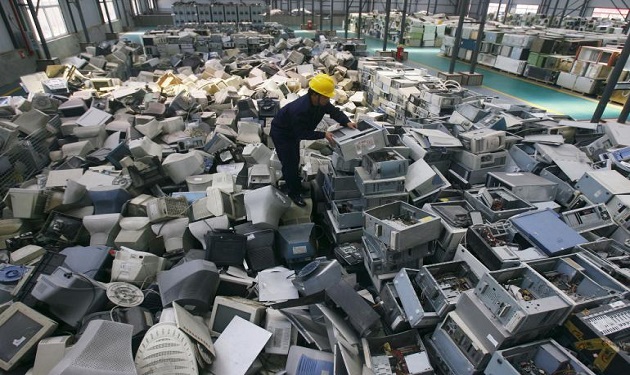
Companies operating in the electronic waste and battery recycling sector are preparing to establish 10 new plants with investments exceeding 400 million EGP by the end of this year. This announcement was made by Ahmed Salem, head of the electronic waste committee at the Chemical Industries Chamber of the Federation of Industries, who emphasized that this step reflects the trend towards enhancing the sector's capabilities and achieving sustainable growth.
Salem pointed out that the sector currently includes approximately 38 plants with total investments ranging between 600 and 800 million EGP, with an annual production capacity of up to 90,000 tons. Despite this notable growth, the sector still falls short of realizing its full potential.
Details of the Initiative
Statistics show that official plants recycle about 40% of total electronic waste, while the remaining percentage is handled through unofficial channels. This situation poses a significant challenge to market regulation and maximizing economic and environmental returns. There is a pressing need to develop effective mechanisms for waste collection at the governorate level, as the sector suffers from a lack of community awareness regarding safe disposal methods for this waste.
In response to these challenges, the chamber has launched an initiative in collaboration with the Ministry of Environment to establish collection points for electronic and electrical waste. This initiative aims to transfer waste to specialized companies in exchange for providing incentives to citizens, such as insurance benefits, to encourage them to deliver waste through official channels.
Background & Context
Recycling electronic waste is a vital process that allows for the extraction of important raw materials such as lead, plastic, and PVC from batteries, in addition to metals like iron, aluminum, and copper. Some components of electronic devices also contain amounts of gold and silver, which enhances the economic value of this waste.
As the use of closed-design devices increases, handling damaged batteries becomes more challenging, raising the risks of unsafe storage. Therefore, directing waste to licensed companies and enhancing oversight of the informal market is essential.
Impact & Consequences
The electronic waste sector represents a promising investment opportunity amid rising technological consumption. However, this sector requires effective market regulation and attractive investment incentives. Achieving this can support the transition to a circular economy and maximize the added value to the national economy.
Enhancing the capabilities of this sector can contribute to creating new job opportunities and promote environmental sustainability, benefiting society as a whole. Additionally, improving recycling mechanisms can reduce the negative environmental impact resulting from electronic waste.
Regional Significance
The issue of electronic waste recycling is a significant challenge facing many Arab countries. With the increasing reliance on technology, electronic waste is on the rise, necessitating effective strategies to manage it. Investment in this sector can contribute to achieving sustainable development and promoting a green economy in the region.
In conclusion, establishing new plants for recycling electronic waste is an important step towards achieving environmental sustainability and enhancing the national economy. It requires concerted efforts between the government, the private sector, and the community to achieve the desired goals.