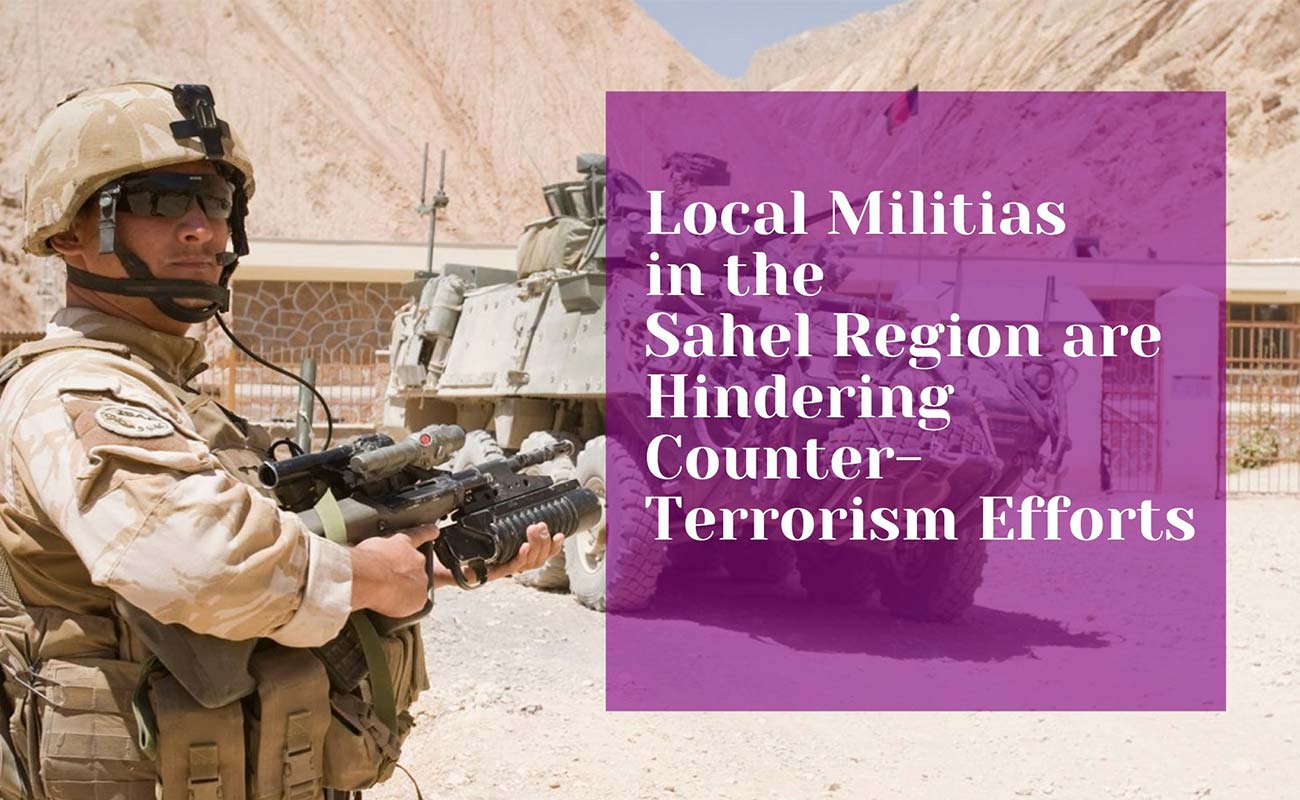
Niger's authorities have announced the establishment of 'self-defense organizations' composed of armed civilians as part of their efforts to combat the rising activities of terrorist groups, primarily ISIS. This initiative comes at a time when the country is suffering from deteriorating security conditions, with a notable increase in terrorist attacks in recent years, exacerbating humanitarian and social crises.
The transitional government, which took power after the ousting of the previous administration, aims to enhance its security capabilities by involving citizens in efforts to defend themselves and their communities. This initiative was announced at a press conference, where officials confirmed that these organizations would work to protect local areas from any potential threats.
Details of the Initiative
These organizations consist of civilian volunteers who are being trained and armed to confront terrorist threats. The most affected areas have been identified as the first regions to benefit from this initiative. It was also emphasized that this step is being coordinated with official security forces to ensure that no chaos or abuses occur.
This move is reminiscent of previous experiences in other countries in the Sahel, where local militias were formed to confront armed groups. However, these initiatives raise concerns about the potential for violence and chaos if not organized properly.
Background & Context
Historically, the Sahel region has witnessed a surge in terrorist activity, especially since the emergence of ISIS in Iraq and Syria. These groups have spread to countries such as Niger, Mali, and Burkina Faso, exploiting political and economic chaos. In recent years, attacks have increased significantly, leading to the displacement of thousands of people from their homes.
Niger, considered one of the poorest countries in the world, is striving to address these challenges by enhancing security and stability. However, the difficult economic and social situation complicates the government's efforts to combat terrorism.
Impact & Consequences
This initiative is expected to raise security awareness among citizens and may encourage them to actively participate in protecting their communities. However, there are concerns that these militias may be unable to control violence, potentially worsening security conditions instead of improving them.
Additionally, this initiative may affect relations between the government and local communities, as some may feel compelled to engage in these militias, leading to new tensions. It is crucial for the government to monitor this initiative closely to ensure that no abuses occur.
Regional Significance
The security situation in Niger is of great importance to the Arab region, as the rise of terrorism in the Sahel could impact the stability of neighboring countries. There are also fears that these threats could spread to North African countries, necessitating greater coordination among Arab states to address these challenges.
In conclusion, the establishment of civil militias in Niger is a bold step in combating terrorism, but it carries significant risks. The government must take all necessary measures to ensure that violence and chaos do not spread and work to enhance security and stability in the country.