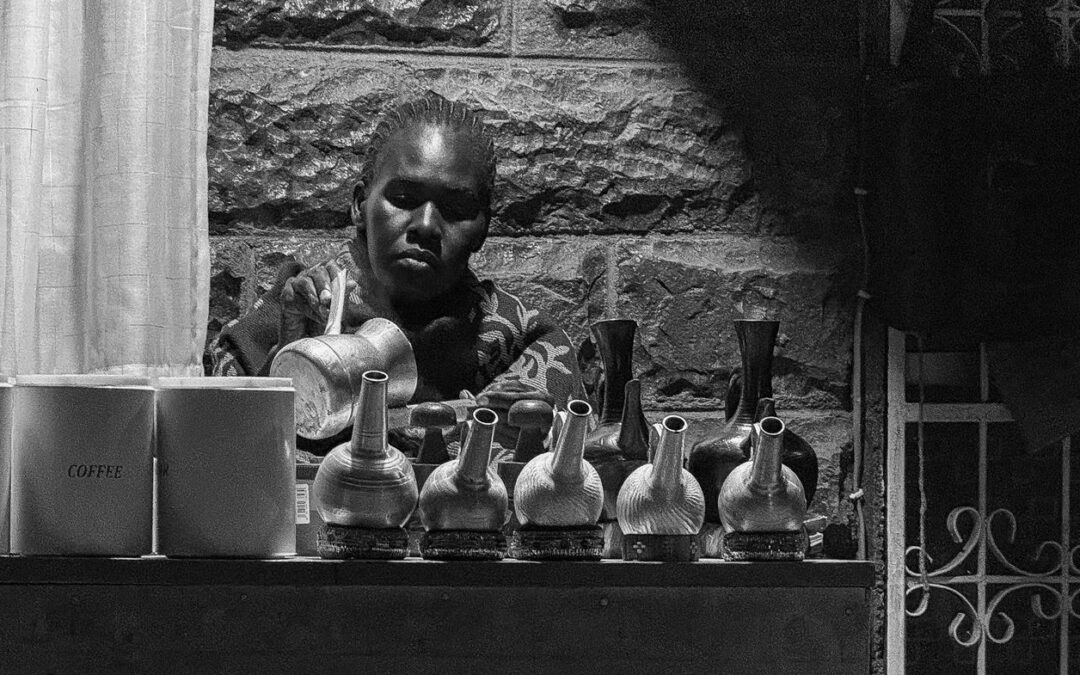
In an unprecedented step, Sudan has witnessed the election of its first union for food and beverage sellers, marking a transition from individual work to legal organization. This development comes at a time when the country is grappling with the repercussions of war and a deteriorating economy, as women strive to protect their rights and enhance their working conditions.
Hawa Omar, a tea seller who has spent nearly 25 years in this field, is returning to her work after a long hiatus due to the war. Hawa states, "The conditions have been tough, but I have returned to practice my profession that I love." Her story reflects the reality of thousands of women who rely on tea selling as their primary source of income amid difficult economic circumstances.
Event Details
Awadia Mahmoud Koko, who began her journey in tea selling in 1986, has become one of the prominent figures in this sector. On April 21, 2023, she was elected as the president of the first union for food and beverage sellers in Sudan, representing a significant achievement in efforts to organize this sector. Awadia says, "We started from scratch, and now we have a union entity that represents us."
The new union aims to organize work and provide legal protection for tea sellers, with Awadia confirming that the association she previously established has expanded to include all related professions. The union also seeks to raise awareness among workers about the importance of adhering to working hours to maintain their health.
Background & Context
The profession of tea selling is considered part of the informal economy in Sudan, providing job opportunities for thousands of women. As economic conditions deteriorate, this sector has become increasingly important, representing a primary source of income for many families. The stories of Awadia and Hawa reflect the reality of many women who have found in this profession a means of survival amid challenging circumstances.
Historically, the tea selling profession has suffered from a lack of organization, leading to the absence of legal protection for workers. With the election of the union, many hope for improved conditions and a safer working environment.
Impact & Consequences
The establishment of the union represents a turning point in the lives of tea sellers, as its leaders strive to enhance workers' rights and provide legal support. Hanan Abdel Karim, one of the union members, states, "Selling tea has helped me support my family and educate my children, and I feel proud of what I have achieved."
The union faces significant challenges, especially under the current circumstances, but it hopes to expand its operations to include all states of Sudan. These efforts reflect women's desire to improve their economic and social conditions and unify their voices under one umbrella.
Regional Significance
The success of tea sellers in Sudan serves as a model for women across the Arab world, as they strive to improve their economic situations through organization and collective action. These initiatives reflect women's ability to confront challenges and effect change in their communities.
In conclusion, the establishment of the tea sellers' union is an important step towards achieving social and economic justice for women in Sudan. These efforts reflect a strong will for change and improved living conditions, heralding a better future for women in the country.