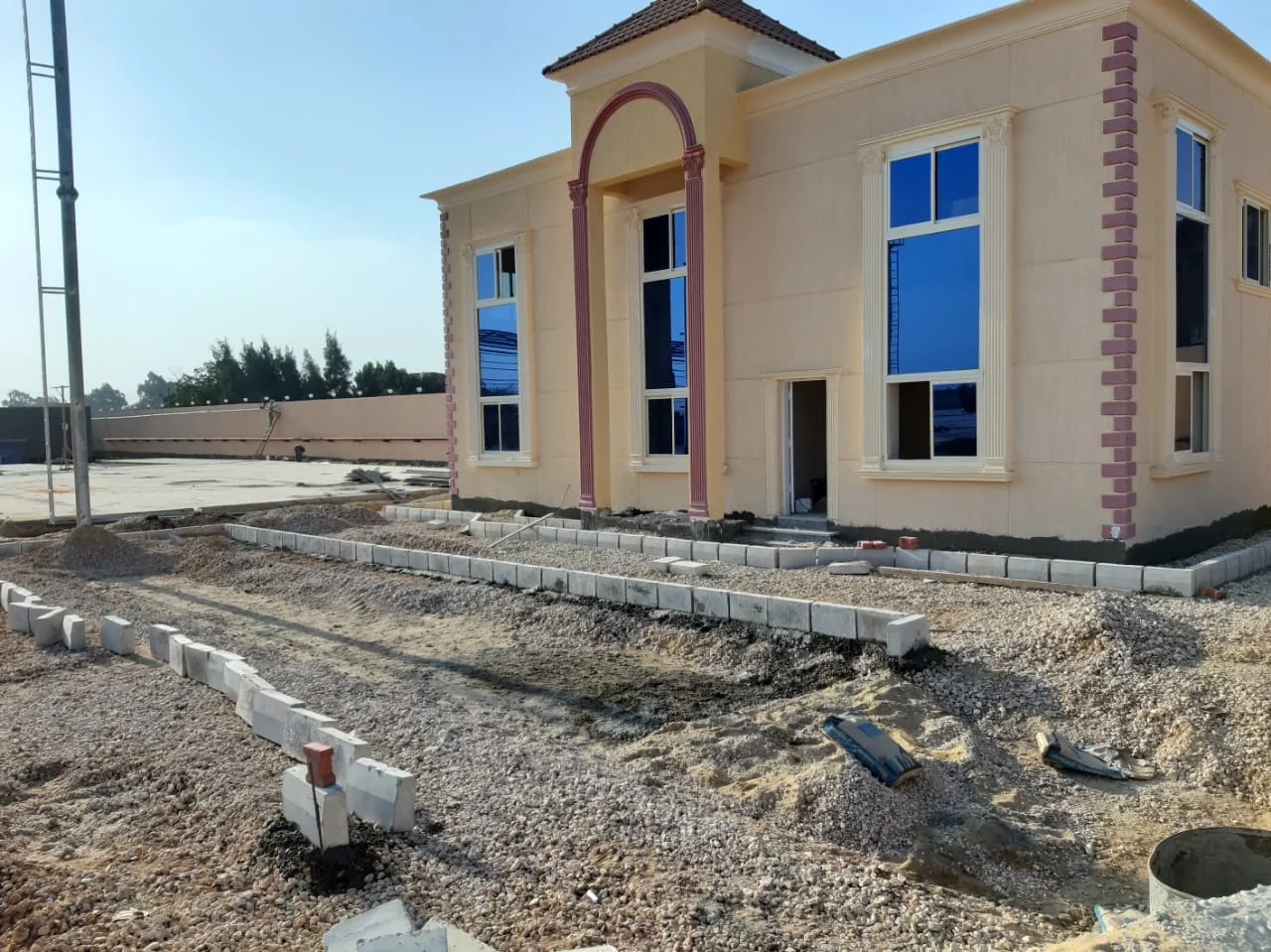
The Giza Governorate has announced the initiation of the first waste recycling plant, a pioneering project in waste management in Egypt. The plant aims to enhance environmental sustainability by recycling waste and converting it into reusable materials, thereby contributing to the reduction of waste sent to landfills.
The project includes plans to collaborate with residential waste collection companies, which will be contracted to collect waste from homes and residential areas. This collaboration will enhance the efficiency of waste collection and help provide the raw materials necessary for the operation of the plant.
Event Details
The establishment of the plant is part of the Egyptian government's efforts to improve waste management, with a significant area allocated for the plant in the Giza region. The plant is expected to begin operations in the coming months, creating new job opportunities and boosting the local economy.
The plant will also process various types of waste, including plastics, paper, and metals, contributing to the reduction of environmental pollution. This project is considered part of a comprehensive strategy aimed at improving the quality of life in Egyptian cities.
Background & Context
Egypt faces significant challenges in waste management, with daily waste in Cairo alone estimated at around 20,000 tons. As the population increases, the need for effective and sustainable solutions for waste management grows. In recent years, the government has begun taking serious steps to improve this sector through new projects and awareness initiatives.
The Giza experience serves as a model for other governorates, as such projects can contribute to changing community culture towards waste and recycling. Additionally, collaboration with the private sector enhances the government's ability to implement these projects efficiently.
Impact & Consequences
The establishment of the plant is expected to contribute to reducing environmental pollution and improving air quality in the region. It will also help decrease reliance on traditional landfills, which is considered a positive step towards achieving sustainable development goals.
Furthermore, this project may open doors for new investments in the recycling sector, thereby boosting the national economy and creating new job opportunities. This development is part of Egypt's Vision 2030, which aims to achieve sustainable development.
Regional Significance
The Giza experience in establishing a waste recycling plant is a model for other Arab countries, many of which face similar waste management issues. This initiative can inspire other nations to adopt similar strategies aimed at improving waste management and promoting sustainability.
Moreover, the collaboration between the government and the private sector in this field demonstrates the importance of partnership in achieving environmental goals, enhancing the ability of Arab countries to address common environmental challenges.