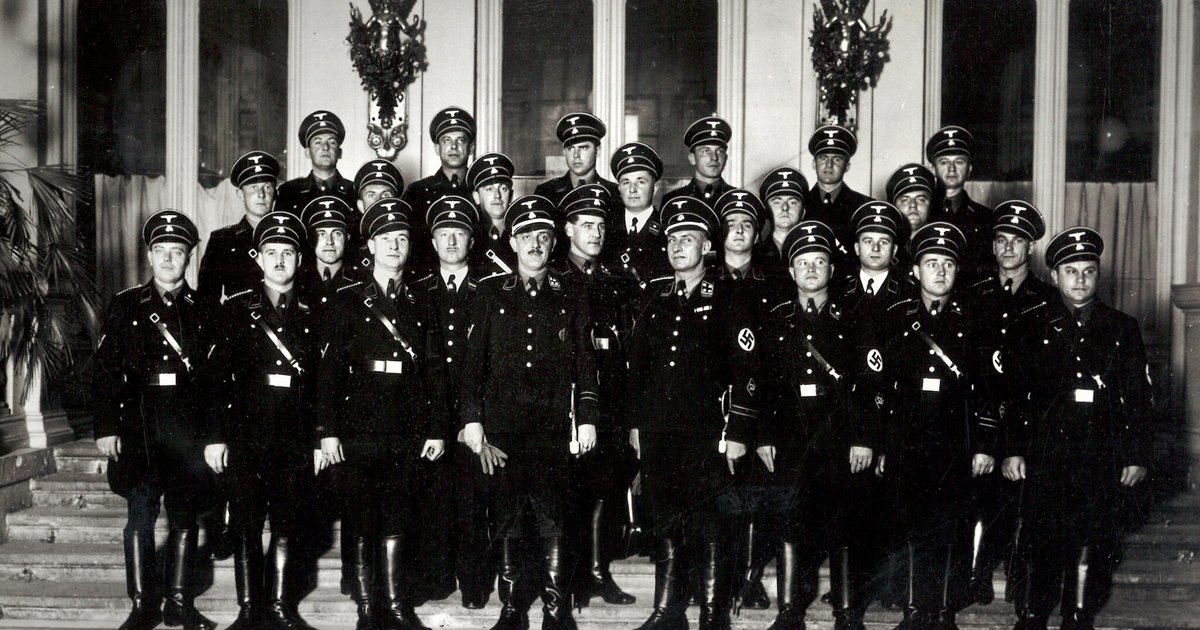
On April 26, 1933, the Nazi secret police known as 'Gestapo' was established, becoming a key tool in suppressing opposition and consolidating Nazi power. This event marked a turning point in the history of Germany and Europe, contributing to the entrenchment of an authoritarian regime based on fear and surveillance.
'Gestapo' was founded under the leadership of Adolf Hitler, who sought to secure his authority by eliminating any political opposition. Its primary mission was to monitor and dismantle any opposing activities, whether from other political parties or individuals deemed a threat to the regime.
Details of the Event
'Gestapo' was created as part of the Nazi regime's efforts to unify control over Germany. This agency was integrated with local police, allowing it to operate more efficiently in monitoring citizens. 'Gestapo' employed harsh methods, including arbitrary arrests and torture, to intimidate and silence the populace.
In the following years, 'Gestapo' became a symbol of repressive power, used to persecute Jews, political opponents, and other targeted groups. These activities contributed to enhancing the image of the Nazi regime as an unrelenting force.
Background & Context
The establishment of 'Gestapo' came at a time when Germany was suffering from economic and political crises. After World War I, the country faced significant challenges, which facilitated the rise of the Nazis to power. Hitler exploited these crises to bolster his authority, presenting himself as a savior of the nation.
In this context, 'Gestapo' was part of a larger strategy aimed at rebuilding Germany according to Nazi ideology. The goal was to create a unified society under complete control, leading to severe violations of human rights.
Impact & Consequences
The establishment of 'Gestapo' had far-reaching effects on German society. It contributed to creating an atmosphere of fear and surveillance, making people reluctant to express their opinions or oppose the regime. This environment helped the Nazis implement their repressive policies with little resistance.
Moreover, the methods of 'Gestapo' in repression and intimidation became a model for future authoritarian regimes. These techniques were employed in many countries that experienced political conflicts, reflecting 'Gestapo's' influence on modern history.
Regional Significance
Although 'Gestapo' was a Nazi apparatus, its methods and ideas influenced some Arab regimes in later periods. Some Arab countries witnessed the use of similar tactics in suppressing opposition, reflecting the ongoing impact of authoritarian regimes worldwide.
Studying the history of 'Gestapo' allows us to understand how power can be used for oppression and highlights the importance of protecting human rights and fundamental freedoms in any society.