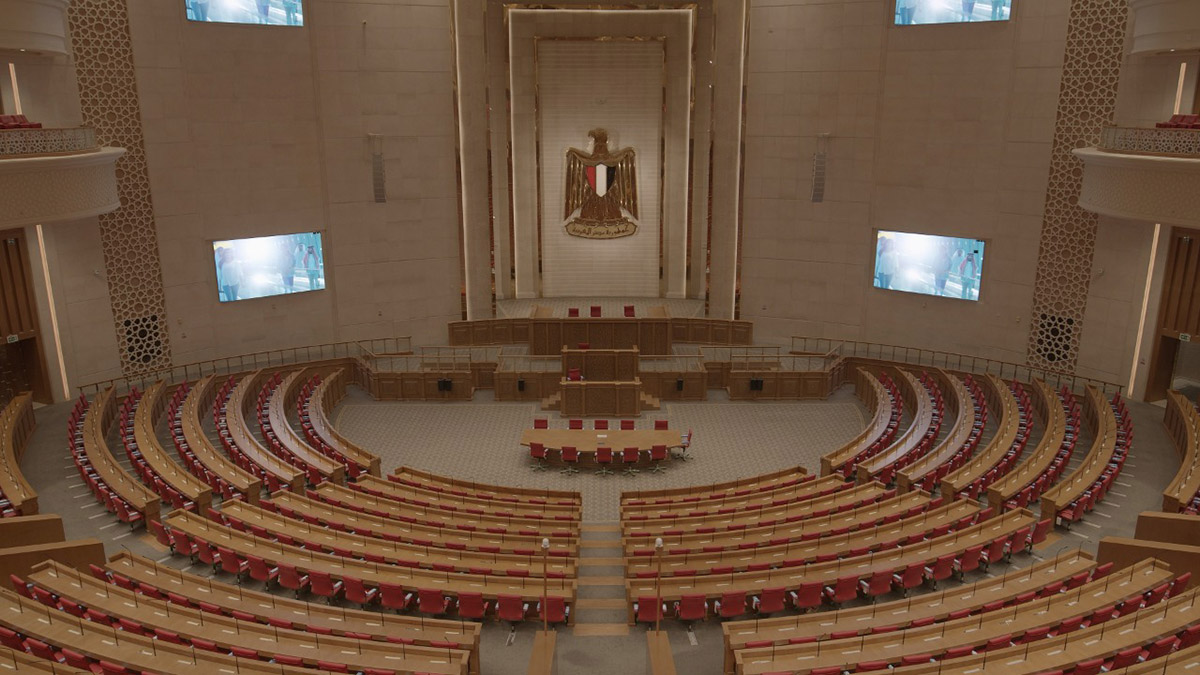
The Egyptian Democratic Parliament Speaker has announced a new agreement with the Prime Minister to hold regular meetings every two months with parliamentary bodies. This agreement is part of efforts to enhance cooperation between the government and parliament, aiming to improve legislative performance and exchange views on national issues.
This regular meeting is a significant step in strengthening communication between the executive and legislative branches, as it will allow for discussions on the challenges facing the country and the establishment of joint strategies to address them. Furthermore, this agreement reflects the government's desire to be open to parliament and listen to the proposals of the deputies.
Details of the Agreement
During a press conference, the Egyptian Democratic Parliament Speaker confirmed that the meetings will be held bi-monthly and will include all parliamentary bodies. He noted that these meetings will provide deputies with the opportunity to express their opinions and proposals regarding laws and government policies.
He added that the first meeting will be an opportunity to identify legislative priorities that require urgent attention, in addition to discussing economic and social issues of concern to citizens. The importance of transparency in these meetings was also emphasized to ensure effective participation from all parties.
Background & Context
This step comes amid the economic and political challenges facing Egypt, as both parliament and government seek to improve overall performance and build trust between citizens and institutions. Recently, there have been increasing calls to enhance cooperation between the government and parliament, especially in light of economic crises that require swift and effective responses.
Historically, the relationship between parliament and government has sometimes been characterized by tension, which has affected the effectiveness of legislation. Therefore, this agreement represents an attempt to overcome those challenges and promote joint work.
Impact & Consequences
This agreement is expected to contribute to improving legislative performance, as it will enable deputies to present their proposals directly to the government. It will also help expedite the legislative process, particularly on issues that require urgent responses.
Moreover, enhancing cooperation between parliament and government may improve the government's image among citizens, thereby boosting trust in political institutions. It could also lead to a quicker response to the social and economic challenges facing the country.
Regional Significance
This step is seen as a model that could be emulated by other Arab countries experiencing tensions between their governments and parliaments. In many nations, the relationship between the executive and legislative branches remains complex, affecting the effectiveness of political work.
If this agreement succeeds in achieving its goals, it may encourage other countries to strengthen cooperation between their governments and parliaments, contributing to improved political performance and enhanced stability.
In conclusion, this agreement represents a positive step towards strengthening cooperation between the government and parliament in Egypt, reflecting both parties' desire to work together to address the challenges facing the country. It remains to be seen how these meetings will impact legislative and economic performance in the future.