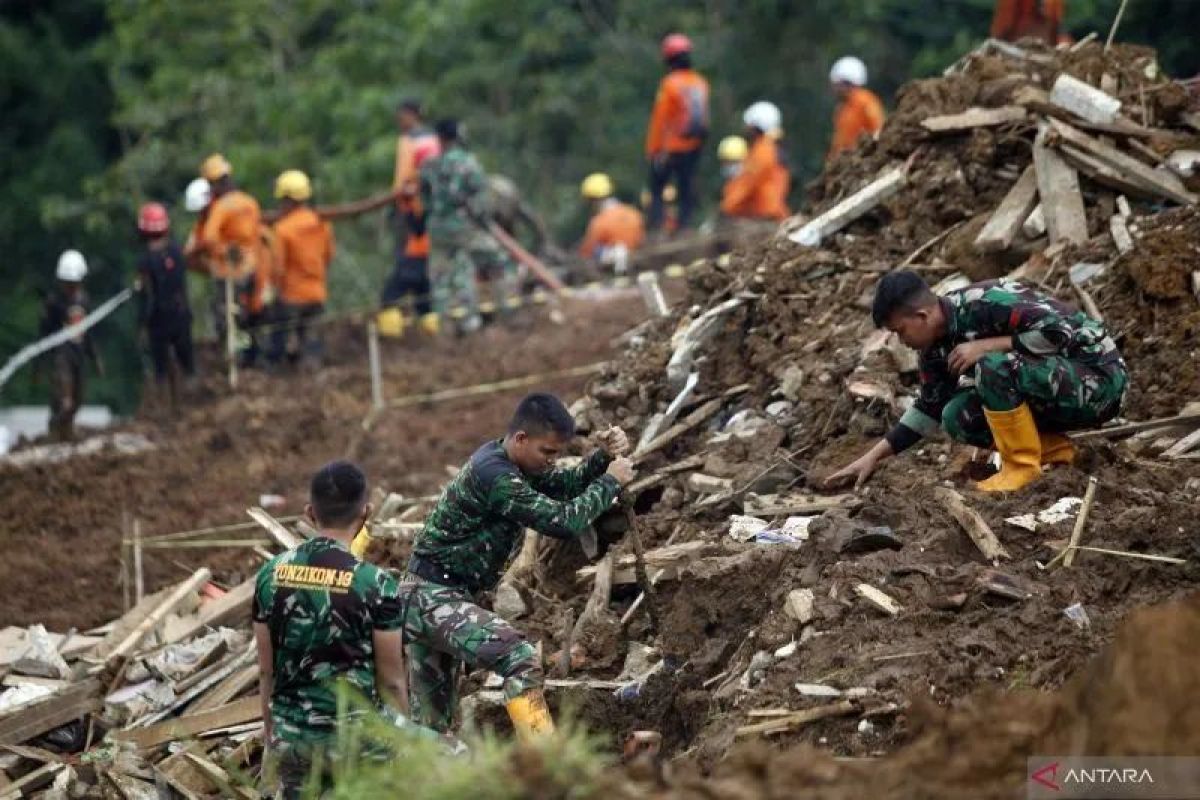
The North Sumatra provincial government, in collaboration with the Tapanuli Tengah government, has announced the formation of a special team to expedite the verification of data concerning victims of hydrometeorological disasters. This announcement was made during an online meeting from the North Sumatra governor's office in Medan, where Suleiman Harahap, the acting secretary general of the province, emphasized the importance of this step to ensure that assistance reaches those in need swiftly and effectively.
Harahap noted that the formation of this team is in response to directives from the central government, with Tito Karnavian, the Minister of Home Affairs and head of the task force for rehabilitation and reconstruction after disasters, assigned to oversee the process. An initial amount of 31.2 billion rupiah has been allocated as the first phase of assistance for repairing damaged homes in the region.
Details of the Initiative
As part of the efforts, the team has been tasked with accurately collecting data related to the victims, with verification processes adhering to specific criteria including names and addresses. Harahap confirmed that the provincial government will assist in providing the necessary data to the relevant ministries, facilitating the distribution process.
Basarin Yunus Tanjung, the assistant for government and public welfare, clarified that the team has already begun its work in Tapanuli Tengah, where operational mechanisms will be established at the neighborhood and town levels. Accurate data is expected to be obtained by next week.
Background & Context
This initiative comes at a sensitive time, as Indonesia has experienced several hydrometeorological disasters in recent years, resulting in loss of life and property destruction. Reports indicate that the Indonesian government is striving to improve its disaster response by enhancing data collection mechanisms and aid distribution.
In this context, the formation of this team is viewed as a positive step towards improving the effectiveness of the government's disaster response, as accurate data plays a crucial role in directing assistance to those who need it most.
Impact & Consequences
This initiative is expected to accelerate the process of delivering aid to affected individuals, reflecting the government's commitment to improving the living conditions of victims. Furthermore, this step may enhance citizens' trust in the government's ability to effectively manage crises.
Moreover, improving data collection mechanisms could lead to the development of more effective strategies for dealing with future disasters, thereby reducing the negative impact of such events on local communities.
Regional Significance
This initiative highlights the importance of strengthening cooperation between local and central governments in addressing disasters, a lesson that can be beneficial for Arab countries facing similar challenges. With the increasing severity of natural disasters in the region, it is essential to adopt effective strategies for data collection and aid distribution.
In conclusion, this development represents a step towards enhancing the Indonesian government's disaster response, paving the way for increased regional and international cooperation to tackle environmental challenges.