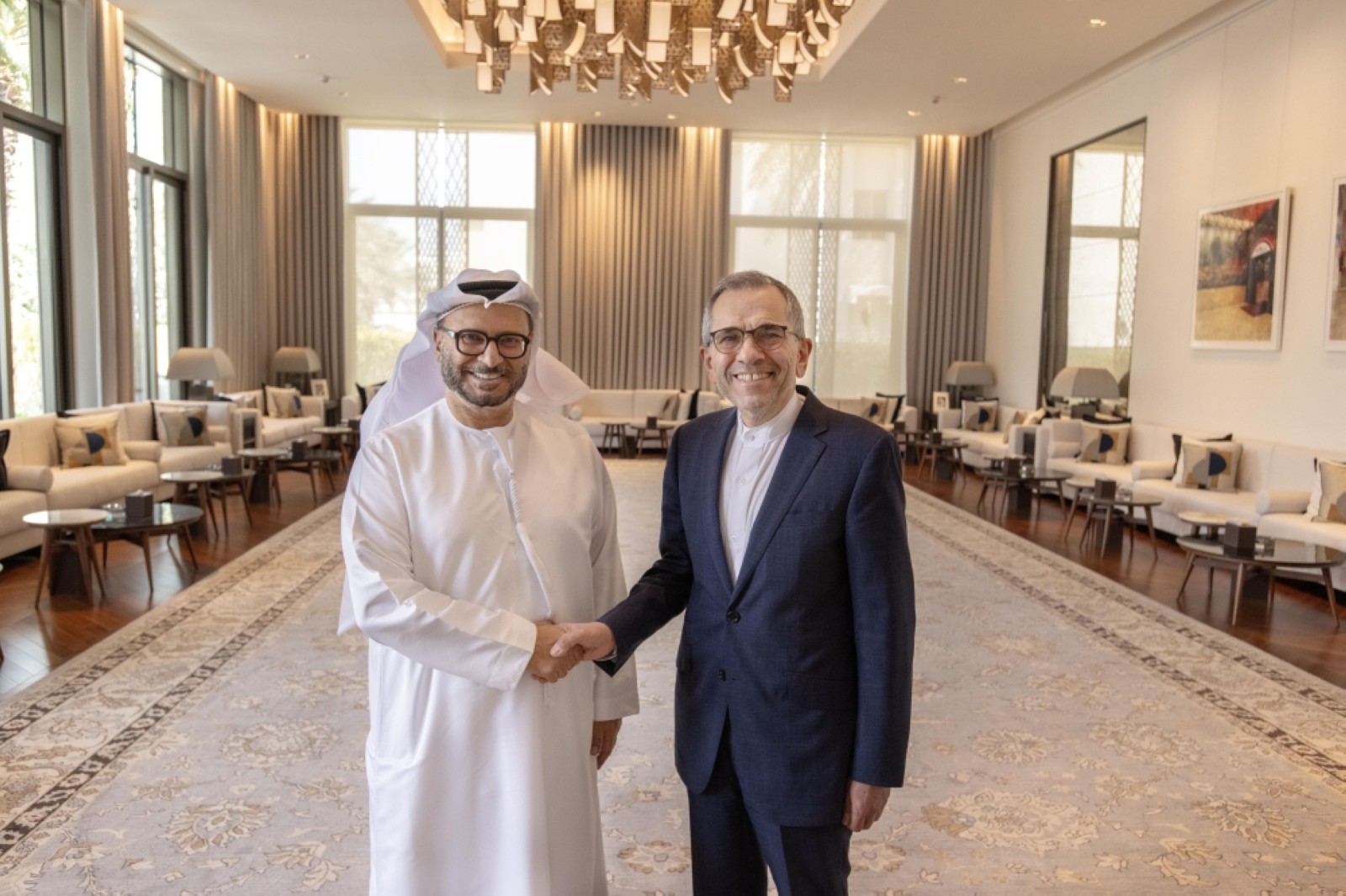
Anwar Gargash, the diplomatic advisor to the President of the UAE, emphasized the necessity of having two effective political paths to address Iranian aggression against the Gulf states. He explained that these paths require regional and international cooperation to confront the security challenges facing the region.
Gargash's statements came during a press conference, where he noted that Iranian aggression poses a threat to security and stability in the Gulf, necessitating a coordinated response from the concerned countries. He stressed the importance of dialogue as a means to resolve disputes, but underscored the need for effective mechanisms to ensure that such threats do not recur.
Details of the Event
Gargash's remarks come at a sensitive time when the region is witnessing escalating tensions between Iran and Gulf states. Reports have indicated an increase in Iranian military activities in the territorial waters, raising concerns among neighboring countries. Gargash confirmed that these activities require a strong response from the international community, emphasizing the importance of having clear strategies to deal with this threat.
He also pointed out that political solutions must include all relevant parties, including major powers that have influence in the Iranian arena. He clarified that dialogue should be based on mutual respect and non-interference in the internal affairs of other countries.
Background & Context
Historically, relations between Iran and Gulf states have seen increasing tensions, especially following the Iranian revolution in 1979. Iranian policies have contributed to destabilizing the region, leading to a divide between Arab states and Iran. With the escalation of threats, the need for effective strategies to address these challenges has become more urgent.
In recent years, the region has witnessed multiple attempts to reach peace agreements; however, these efforts have often faced obstacles due to mutual distrust. Recent events have shown that dialogue alone is insufficient; it must be accompanied by tangible actions to ensure security and stability.
Impact & Consequences
If Iranian aggression is not effectively addressed, it could lead to escalating tensions in the region, threatening both regional and international security. This could impact the global economy, particularly in the energy sector, as Gulf states are among the largest oil producers in the world.
Moreover, the continuation of tensions could exacerbate humanitarian crises in some neighboring countries, necessitating urgent international intervention. Therefore, having clear political paths can help alleviate these crises and achieve stability.
Regional Significance
Gargash's statements serve as a call for countries in the region to work together to face common challenges. Regional cooperation can contribute to enhancing security and stability, benefiting all Arab states. Additionally, having effective strategies can help improve relations between Arab countries and Iran, potentially leading to reduced tensions.
In conclusion, hope remains for progress in the proposed political paths, as stability in the Arabian Gulf is vital for regional and international security.