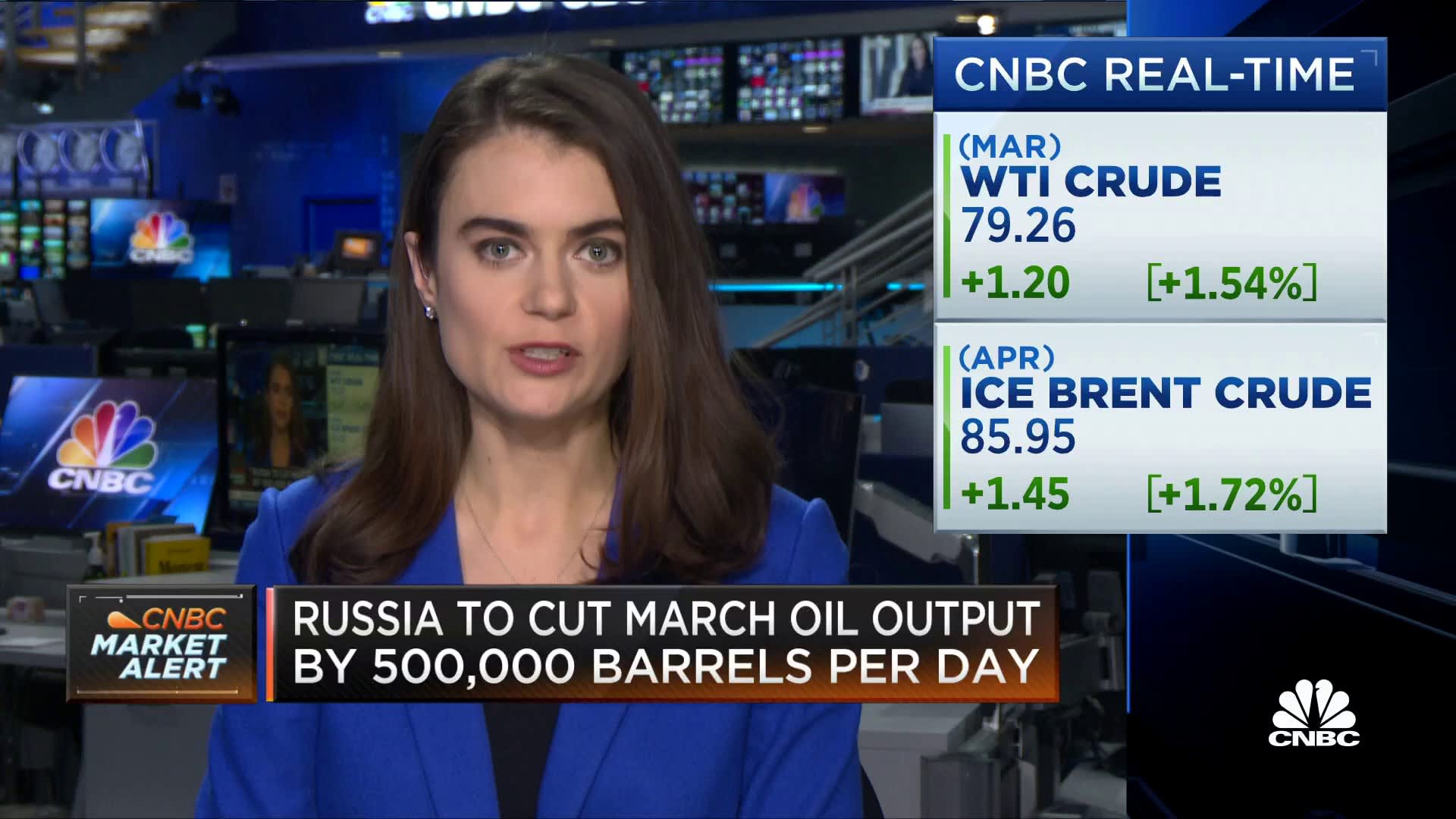
The European Commission called on Tuesday for the 27 member states to take coordinated measures to address the sharp rise in oil prices, which is attributed to the ongoing conflict in the Middle East. This warning comes at a sensitive time, as the European Union faces significant challenges related to energy security and the stability of global oil markets.
In this context, European Commissioner for Energy, Dan Jørgensen, stated ahead of the virtual meeting of energy ministers, saying: "We must work together as one entity." He emphasized the importance of member states refraining from taking individual actions that could exacerbate the crisis.
Details of the Meeting
The meeting of European energy ministers comes at a time when oil prices have seen a noticeable increase, surpassing record levels due to escalating tensions in the Middle East. This rise raises concerns in many European countries that heavily rely on oil imports.
Commissioner Jørgensen pointed out that coordination among member states is vital to avoid any negative repercussions on the European economy. He also called for the need to develop joint strategies to handle future crises.
Background & Context
Historically, oil markets have experienced significant fluctuations due to political and economic conflicts in the region. The current conflict in the Middle East, which involves several countries, has heightened fears regarding the stability of supplies and oil prices. In recent years, the European Union has been striving to reduce its dependence on oil imported from conflict zones.
There are also ongoing efforts to enhance renewable energy sources and reduce carbon emissions, but these initiatives could be significantly affected by the current rise in oil prices.
Impact & Consequences
The sharp rise in oil prices may lead to increased living costs in European countries, which could impact the economy as a whole. This situation may also provoke social protests in some nations, as citizens feel the mounting economic pressure.
Furthermore, this increase could affect the economic policies of member states, as governments may be forced to take urgent measures to support affected citizens and businesses.
Regional Significance
For Arab countries, the rise in oil prices could represent an opportunity to boost national revenues, especially for oil-exporting nations. However, the ongoing conflicts in the region may negatively impact market stability and growth forecasts.
In conclusion, coordination among EU member states remains vital to address these challenges, as the current situation requires a swift and effective response to ensure market stability and protect the European economy.