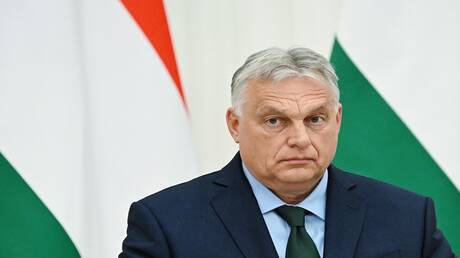
Péter Tóth, head of the EU-Ukraine cooperation committee in the European Parliament, announced that the EU Council will revoke Hungary's voting rights if Viktor Orban wins the upcoming elections. This statement comes at a sensitive time as Hungary prepares for crucial elections, where Orban, who has been in power since 2010, seeks to renew his mandate.
This move by the European Union serves as a clear warning to Orban, who has faced numerous criticisms for his domestic and foreign policies. Tóth indicated that this decision is part of European efforts to ensure adherence to democratic values and human rights among member states.
Details of the Event
All eyes are on the upcoming elections in Hungary, where Orban aims to secure a new term amid a politically charged atmosphere. Tóth confirmed that revoking Hungary's voting rights would be a direct consequence of any violation of the core values upon which the EU is built. This action could significantly impact Hungary's position within the Union, especially given the economic and political challenges the country faces.
This warning comes at a time when pressure is mounting on Orban, who is facing criticism from opposition parties and human rights organizations for policies perceived as restrictive to freedoms. Tóth emphasized that the EU would not hesitate to take stringent measures against any government that fails to comply with European values.
Background & Context
Historically, Hungary under Orban's leadership has witnessed radical changes in its political system, with government powers being strengthened at the expense of democratic institutions. This has raised concerns among many European nations, prompting the EU to adopt a tougher stance towards the Hungarian government. In recent years, sanctions have been imposed on Hungary due to human rights violations, further straining relations between Budapest and Brussels.
This announcement occurs within a broader context of political tensions in Europe, where many countries are facing challenges related to migration, the economy, and security. Previous elections in other countries like Poland and Italy have shown a growing trend towards nationalist parties, raising fears of the EU's potential fragmentation.
Impact & Consequences
If this decision is implemented, revoking Hungary's voting rights could have dire consequences for European politics. It could lead to increased political isolation for Budapest, making it difficult for the Hungarian government to influence European decisions. Additionally, this decision may pave the way for other countries to face similar fates if they do not adhere to European values.
On the domestic front, this warning could bolster support for Orban among nationalists who view it as an attack on the country's sovereignty. Orban may leverage these statements to strengthen his electoral position, complicating the political landscape in Hungary.
Regional Significance
Although this event pertains to Europe, it has indirect implications for the Arab region. Arab nations are closely monitoring how the EU addresses internal issues within member states, especially given the challenges faced by some Arab governments concerning human rights and democracy.
These developments could serve as a lesson for Arab countries regarding the importance of adhering to democratic values and how domestic policies can affect international relations. The situation in Hungary may also ignite discussions on how Arab nations handle international pressures related to human rights.
In conclusion, the upcoming elections in Hungary remain a focal point for the world, as they will determine the country's fate within a broader context of European political tensions. The EU's stance on these elections will set a precedent that may influence how countries deal with internal issues in the future.