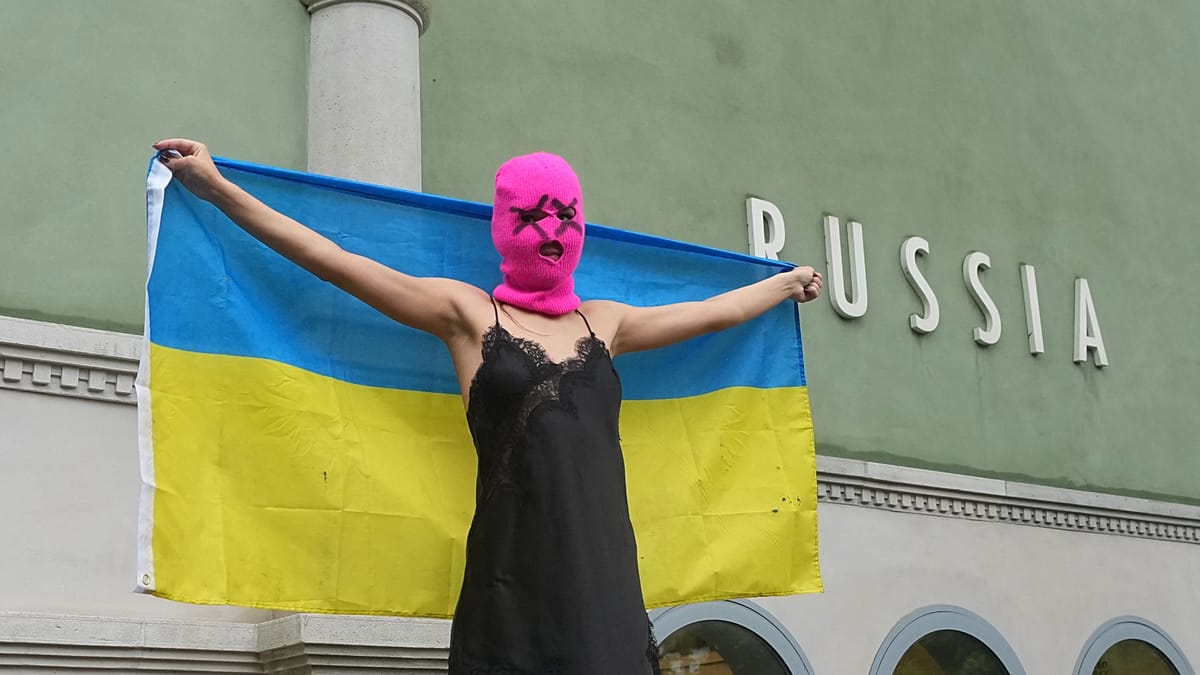
In a controversial move, the majority of EU countries criticized the reopening of the Russian pavilion at the Venice Biennale during a heated discussion among culture ministers in Brussels on Tuesday. Many ministers expressed their support for the European Commission's decision to freeze a grant of €2 million to the Biennale Foundation due to the allowance of Russia's participation.
The Latvian Minister of Culture, Inese Lase, raised the issue, calling for a ban on what she described as "the exploitation of cultural institutions by Russia." Diplomats reported that 14 ministers condemned Russia's presence but did not directly criticize Italy, which was represented at the meeting by Ambassador Marco Canaparo instead of Culture Minister Alessandro Julii.
Details of the Controversy
Countries such as Belgium, Spain, and Poland emphasized that culture should not be used to whitewash the aggressive war waged by Russia against Ukraine. They also stressed the importance of avoiding any manipulation of sanctions by Russian individuals participating in the exhibition.
The Commission and the rotating presidency of the EU, held by Cyprus, called for the suspension of funding and the reallocation of Biennale funds for the reconstruction of Ukraine. Brussels strongly condemned the Biennale's decision to allow Russia to reopen its pavilion, stating that culture "should not be used as a platform for propaganda," warning that the Russian pavilion could become a platform for individuals who supported or justified the aggression against Ukraine.
Background & Context
In April of last year, the Commission initiated procedures to cut funding, informing the Biennale of a violation of grant conditions, which could lead to the suspension or termination of the grant if the issue was not addressed. The foundation asserts that the event must remain "a place for dialogue, openness, and artistic freedom," and that it cannot prevent any country from participating, as any state recognized by the Italian Republic can apply to participate in the exhibition.
Russia retains a pavilion within the exhibition area and can independently decide whether to participate in each edition of the Venice Biennale under the rules. Its last participation was in 2019, with Russian artists withdrawing in 2022, and the country not presenting a pavilion in 2024, instead lending their space to Bolivia.
Impact & Consequences
Russia's decision to participate in 2026 has sparked controversy within the Italian government, with Culture Minister Alessandro Julii boycotting the opening ceremony, while Deputy Prime Minister Matteo Salvini defended "artistic freedom" and visited the Russian pavilion. This year's edition opened on Saturday amid protests against the participation of Russia and Israel, featuring opposition groups such as Pussy Riot.
Regional Significance
This situation highlights the cultural and political tensions between the EU and Russia, and its implications for the arts and culture sector. The ongoing debates over funding and participation may influence future cultural exchanges and collaborations.
As the Venice Biennale continues to be a significant platform for artistic expression, the decisions made regarding participation and funding will likely resonate beyond the immediate context, affecting international relations and cultural diplomacy.