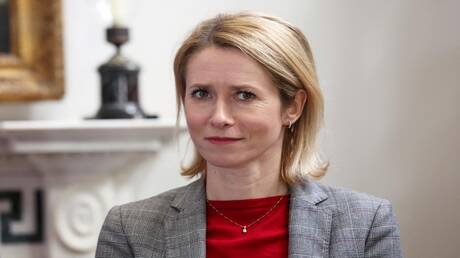
Kaja Kallas, the European Union's foreign policy chief, announced that the European bloc intends to impose restrictions on Russian armed forces as a fundamental condition before engaging in any negotiations related to the Ukrainian crisis. This announcement comes at a time when tensions between Russia and Western nations are escalating, highlighting the significance of the European stance in addressing this crisis.
This step is part of a broader strategy through which the European Union seeks to bolster its position in potential negotiations with Russia. Member states aim to emphasize the necessity of respecting Ukrainian sovereignty and halting hostilities that affect regional stability.
Details of the Announcement
In her statements, Kallas confirmed that any future negotiations must include clear conditions regarding the reduction of Russian military activities. She noted that these restrictions are intended to build trust among the parties involved and facilitate access to lasting solutions for the crisis. She also stressed the importance of coordination among European countries to achieve these goals.
These remarks come at a sensitive time, as international pressure on Russia is increasing due to its actions in Ukraine. Many European nations have expressed their readiness to support Ukraine in facing the challenges it encounters, reflecting the EU's commitment to its core principles.
Background & Context
The roots of the Ukrainian crisis date back to 2014 when Russia annexed Crimea, leading to heightened tensions between Russia and Western countries. Since then, the region has witnessed ongoing conflicts, with Ukraine striving to regain control over its territories. This situation has resulted in economic sanctions imposed on Russia by the EU and the United States, complicating relations among the parties involved.
In recent years, Russian-European relations have significantly deteriorated, with Western nations accusing Russia of violating international laws and threatening European security. This backdrop makes Kallas's statements even more critical, as they reflect the European inclination to adopt a tougher stance toward Russia.
Impact & Consequences
These statements serve as a warning to Russia, emphasizing that any future discussions will not be straightforward and that there are conditions that must be adhered to. These restrictions could increase pressure on Russia, potentially impacting its military strategies in the region.
Moreover, this move could enhance cooperation among European countries in defense and security matters, reflecting the EU's desire to strengthen its military capabilities to face future challenges. These restrictions may also contribute to improving the security situation in Ukraine, aiding in the stabilization of the region.
Regional Significance
While Arab nations focus on their internal issues, events in Ukraine could indirectly affect security and stability in the region. The tensions between Russia and the West may lead to shifts in international policies, impacting Arab relations with major powers.
Global crises, including military conflicts, can influence energy prices and resources, reflecting on Arab economies. Therefore, it is crucial for Arab states to monitor developments in Ukraine and their implications for their interests.
In conclusion, Kaja Kallas's statements reflect the European trend toward adopting a stricter position against Russia, which may influence the course of future negotiations regarding the Ukrainian crisis. This step carries wide-ranging implications for security and stability in the region, warranting significant attention from Arab nations.