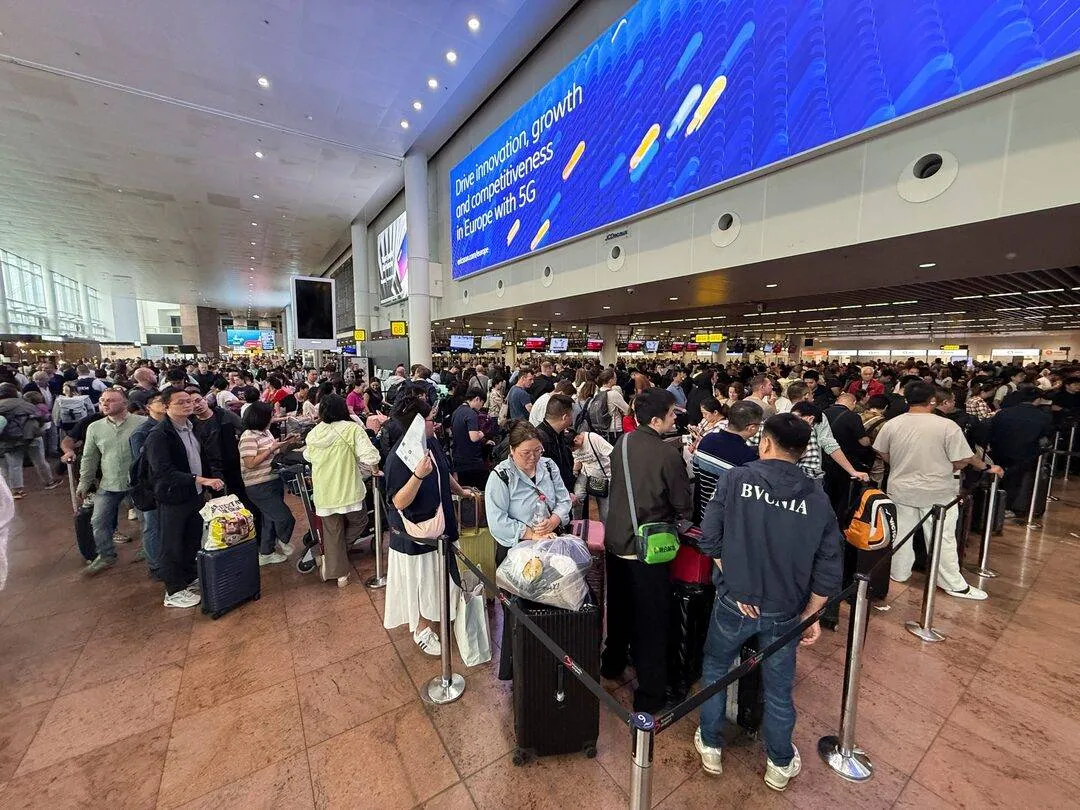
Anna-Kaisa Itkonen, spokesperson for the European Commission, announced that the European Union will hold meetings this week to discuss the impact of the energy crisis in the Middle East on airports and the aviation sector. This comes at a time when the region is experiencing increasing tensions that are affecting energy supplies.
Itkonen added that topics related to the energy crisis will be discussed at the EU Oil Coordination Group meeting on Wednesday, followed by discussions at the Gas Coordination Group meeting on Thursday. These meetings are taking place at a sensitive time as pressures on global energy markets are increasing.
Event Details
The war led by the United States and Israel against Iran is causing rising oil and gas prices, leading to fuel supply shortages. The closure of the Strait of Hormuz, a vital artery for oil transport, complicates the situation further. Itkonen confirmed that these meetings will address a range of proposed measures to mitigate the effects of rising prices on the aviation sector.
Discussions are expected to include strategies for dealing with the challenges posed by rising fuel costs, which directly impact air ticket prices and air transport services. Additionally, ways to enhance cooperation among EU member states to tackle this crisis will be explored.
Background & Context
Historically, the region has witnessed numerous crises affecting energy markets, but the current situation is considered one of the most complex due to the interplay of political and economic factors. The rise in oil and gas prices due to military conflicts directly reflects on the global economy, affecting air travel and tourism.
In recent years, there have been numerous attempts by the European Union to reduce reliance on traditional energy sources, but the current crises are highlighting the importance of securing energy supplies. These meetings are part of the EU's efforts to address the growing challenges in this area.
Impact & Consequences
If effective measures are not taken, rising energy prices could lead to increased travel costs, negatively affecting the tourism and aviation sectors. The impact of this crisis may extend to the European economy as a whole, as rising transportation costs could lead to price increases across various sectors.
These circumstances require a swift response from EU member states to ensure market stability and protect consumers. Proposed solutions may include financial support for the sector or strategies to improve energy efficiency.
Regional Significance
Arab countries are among the leading producers of oil and gas, and thus any changes in global energy markets directly affect their economies. The current crises may lead to increased tensions between producing and consuming countries, necessitating greater coordination between Arab states and the European Union.
In light of these circumstances, Arab countries must consider new strategies to enhance cooperation with the European Union in the energy sector, including investments in renewable energy and the development of new technologies.
In conclusion, the energy crisis in the Middle East remains a central issue requiring international attention and cooperation among nations to ensure market stability and protect economic interests.