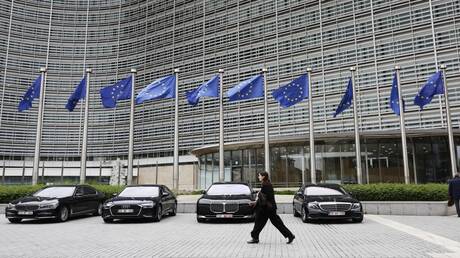
During their informal meeting held in Cyprus, the EU foreign ministers decided to postpone discussions regarding the possibility of negotiations with Russia. This significant issue has been referred to the upcoming leaders' summit on June 18 and 19, where crucial decisions are expected to be made.
This move comes at a time when relations between the EU and Russia are increasingly strained, particularly following recent events in Ukraine. The ministers emphasized the importance of identifying the European candidate who will undertake the negotiation task with Moscow, reflecting the substantial challenges facing European foreign policy.
Details of the Meeting
At the meeting, the ministers discussed a range of issues related to EU-Russian relations, including sanctions imposed on Moscow and its role in regional crises. Some ministers expressed a desire to explore dialogue opportunities with Russia, while others called for a more stringent stance.
This summit represents a crucial opportunity for European leaders to unify their positions towards Russia, especially amid increasing pressure from certain member states that wish to improve relations with Moscow. However, the question remains regarding the EU's willingness to make concessions under the current circumstances.
Background & Context
Historically, relations between the EU and Russia have experienced numerous fluctuations, with periods of cooperation followed by times of tension. Following Russia's annexation of Crimea in 2014, the EU imposed a series of sanctions that significantly deteriorated relations.
The ongoing conflict in Ukraine continues to heavily influence negotiations, as European countries view Russia's role in the crisis as negative. In this context, foreign ministers are seeking ways to navigate this complex situation.
Impact & Consequences
The postponement of discussions regarding negotiations with Russia could have significant implications for European policy. It may lead to continued tensions in relations, potentially affecting security and stability in the region.
Furthermore, the failure to reach an agreement could negatively impact the European economy, particularly given the increasing reliance on Russian energy. Therefore, the upcoming summit will be critical in determining the future of EU-Russian relations.
Regional Significance
The relationship between the EU and Russia is of great importance to the Arab region, as both Russia and the EU play key roles in various regional issues. Tensions between the two parties may affect the situation in the Middle East, including conflicts in Syria and Libya.
Additionally, any changes in European policy towards Russia could impact the support provided to Arab countries, necessitating close monitoring by decision-makers in the region.
In conclusion, the fate of negotiations with Russia remains uncertain, as EU foreign ministers look forward to making decisive decisions at the upcoming summit. These decisions will shape the trajectory of relations between the two sides in the future.