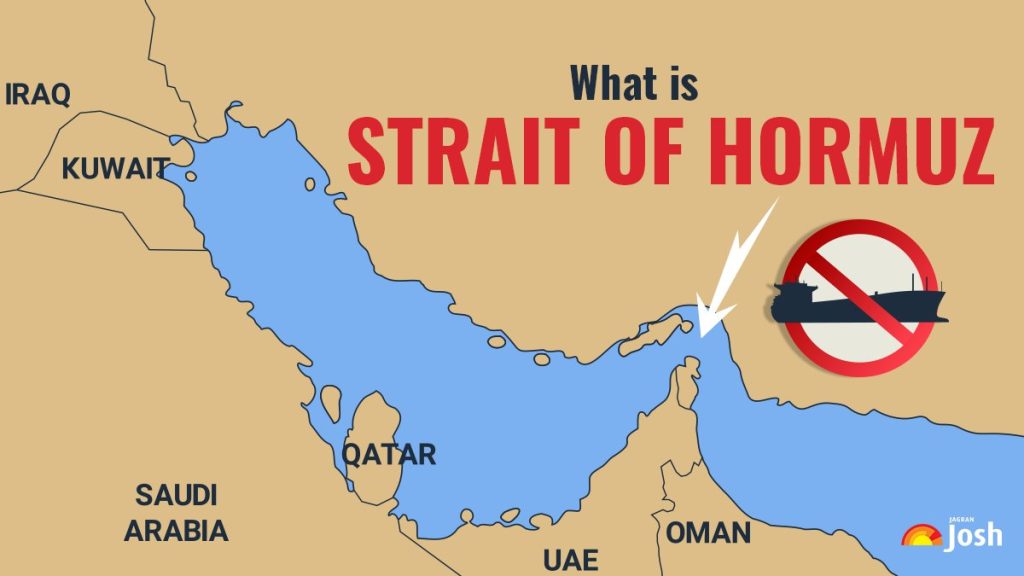
NATO has reported that the European Union is prepared to contribute its naval assets to secure the Strait of Hormuz, one of the world's most critical waterways. This move comes in light of escalating tensions in the region, highlighting the importance of international cooperation in addressing security challenges.
The Strait of Hormuz is a vital transit point for oil and natural gas, with approximately 20% of the world's total oil passing through it. Therefore, any threat to navigation in this strait could significantly impact global markets.
Event Details
During a press conference, NATO officials confirmed that the EU may contribute warships and surveillance aircraft to enhance security in the region. This announcement comes at a time when relations between Iran and the West are increasingly strained, with Western nations accusing Iran of attempting to threaten navigation in the strait.
Officials also noted that this initiative aims to ensure freedom of navigation and protect the economic interests of EU member states. Coordination has been established with NATO member countries to ensure an effective and rapid response to any potential threats.
Background & Context
Historically, the Strait of Hormuz has witnessed numerous crises, with attempts by certain countries to assert control over this vital passage. In recent years, tensions between Iran and Western nations have escalated, prompting NATO and the EU to take proactive measures to ensure security in the region.
Recent events, including attacks on oil tankers, have heightened concerns regarding the safety of navigation in the strait. These tensions have led to increasing calls from Western nations for a bolstered military presence in the area.
Impact & Consequences
Enhancing naval presence in the Strait of Hormuz may lead to increased tensions between Iran and Western countries, potentially adversely affecting regional stability. At the same time, this presence could contribute to improved maritime security and ensure freedom of navigation, benefiting the global economy.
This initiative may also strengthen cooperation between European nations and the United States in maritime security, reflecting these countries' commitment to protecting their interests in the region. However, these tensions must be managed carefully to avoid escalating the situation.
Regional Significance
The Arabian Gulf region is one of the most sensitive areas in the world, with many countries relying on the Strait of Hormuz for their oil exports. Therefore, any escalation in tensions could directly impact these nations, necessitating proactive measures to safeguard their interests.
Moreover, enhancing military presence in the region could lead to shifts in regional alliances, as some countries may seek to strengthen ties with major powers to ensure their security. In this context, Arab nations must remain aware of developments and work to enhance their defensive capabilities.
In conclusion, the NATO and EU announcement represents a significant step toward enhancing security in the Strait of Hormuz, reflecting the international community's commitment to protecting navigation in this strategic area. However, these tensions must be approached cautiously to ensure that situations do not worsen.