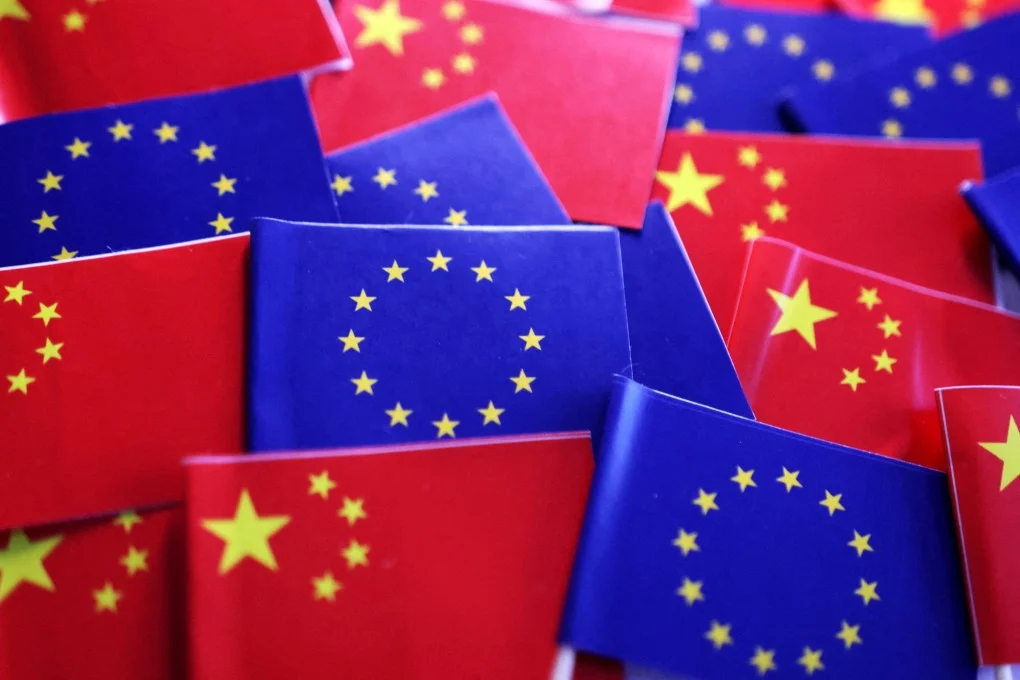
The criticisms directed at the project to modernize the Lobito railway corridor, which stretches from the Democratic Republic of Congo and Zambia through Angola to the Atlantic port of Lobito, are intensifying. This project is a key component of the European Union's €300 billion (approximately $346 billion) initiative launched in 2021 under the name "Global Gateway," intended as an alternative to China's Belt and Road Initiative.
European Commission President Ursula von der Leyen aims to emphasize that this project represents more than just infrastructure; it is a strategic step designed to reduce European dependency on China in vital sectors.
Details of the Project
The Lobito railway corridor project is considered a vital artery for trade and transport in Central Africa. The project aims to improve connectivity between African nations and boost regional trade, contributing to economic development. However, the project's ties to state-owned Chinese companies have raised questions about its independence and true objectives.
The criticisms include concerns that this collaboration with Chinese firms may enhance Chinese influence in the region, potentially conflicting with the EU's goals of promoting sustainable partnerships.
Background & Context
Historically, relations between the EU and Africa have undergone significant transformations, as European countries have sought to enhance their investments in the continent. The "Global Gateway" initiative comes amid increasing competition among major powers, with Europe striving to offer an attractive alternative to African nations compared to Chinese projects.
Since the launch of the Belt and Road Initiative in 2013, China has expanded its influence in Africa through massive investments in infrastructure. Therefore, the Lobito project represents a European attempt to regain some of this influence, but not without challenges.
Impact & Consequences
The implications of the Lobito railway corridor project extend beyond African borders, potentially affecting international relations among major powers. If the EU successfully implements the project without relying on Chinese companies, it could make significant strides in enhancing its position as a global economic power.
However, ongoing criticisms may lead to a decline in trust in European projects, which could hinder the EU's efforts to boost its investments in Africa. It is crucial for the EU to address these concerns seriously to ensure the success of its initiative.
Regional Significance
The Arab region is also affected by developments in EU-African relations, as European investments in Africa could influence trade and economies in Arab countries. Some Arab nations may seek to strengthen their partnerships with the EU in infrastructure and sustainable development.
Ultimately, the Lobito project represents a significant opportunity for the EU to enhance its influence in Africa, but it requires careful handling of the challenges associated with partnerships with Chinese companies.