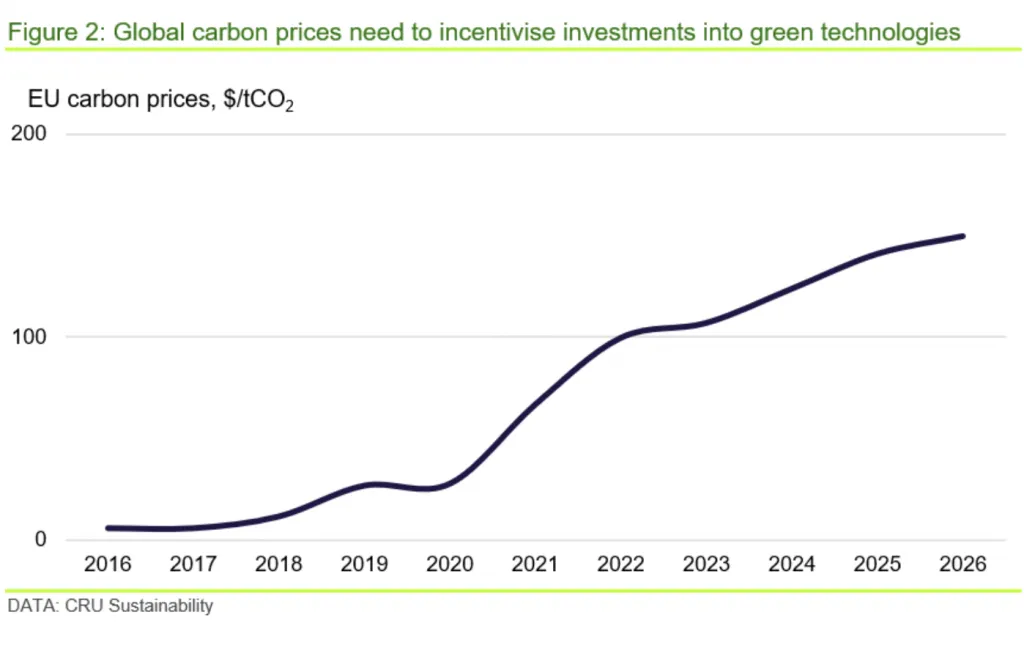
In a move aimed at addressing the ongoing rise in energy prices, the European Union has proposed amendments to its carbon trading program. This proposal aims to lessen the impact of emissions costs on increasing energy bills at a time when many member states are experiencing mounting economic pressures.
This initiative comes in light of the soaring energy prices that Europe has witnessed over the past months, which have significantly affected households and businesses. Despite this, the proposal does not include the immediate release of additional carbon emissions into the market, raising questions about the effectiveness of these measures in tackling the current crisis.
Details of the Proposal
The proposed amendments seek to adjust the carbon trading mechanism within the EU, which is a crucial part of the efforts to reduce harmful emissions. These changes are expected to alleviate financial burdens on consumers, especially given the economic challenges facing European nations.
The new proposals include the possibility of adjusting prices linked to carbon trading, which may help reduce financial pressures on households and businesses. However, the question remains regarding the overall impact of these adjustments on the market, particularly in light of the lack of immediate release of additional emissions.
Background & Context
Historically, Europe has faced numerous economic crises that have influenced energy prices, particularly amid geopolitical tensions and trade disputes. The rise in gas and oil prices has led to increased energy costs, prompting European governments to seek effective solutions.
In recent years, carbon trading has been part of the EU's strategy to reduce emissions and achieve climate goals. However, the current economic challenges may necessitate a reassessment of these strategies to ensure a balance between environmental objectives and economic needs.
Impact & Consequences
The proposed amendments are expected to significantly affect the energy market in Europe. If these adjustments are successfully implemented, they could help alleviate financial pressures on consumers, potentially leading to price stabilization in the short term.
Nevertheless, the biggest challenge remains how to balance environmental goals with economic needs. The amendments may lead to increased investments in renewable energy, but they could face resistance from some member states that heavily rely on fossil fuels.
Regional Significance
The Arab region is directly affected by shifts in the global energy market, as many Arab countries are major producers of oil and gas. The European amendments could lead to changes in energy demand, which may impact global prices.
Furthermore, these adjustments could encourage Arab nations to bolster their investments in renewable energy, contributing to the achievement of sustainable development goals. In light of climate challenges, there may be new opportunities for cooperation between Arab countries and the EU in clean energy sectors.
In conclusion, the proposed amendments to the EU's carbon trading program represent an important step towards addressing economic and environmental crises. However, the greatest challenge remains how to achieve a balance between environmental objectives and economic needs under current conditions.