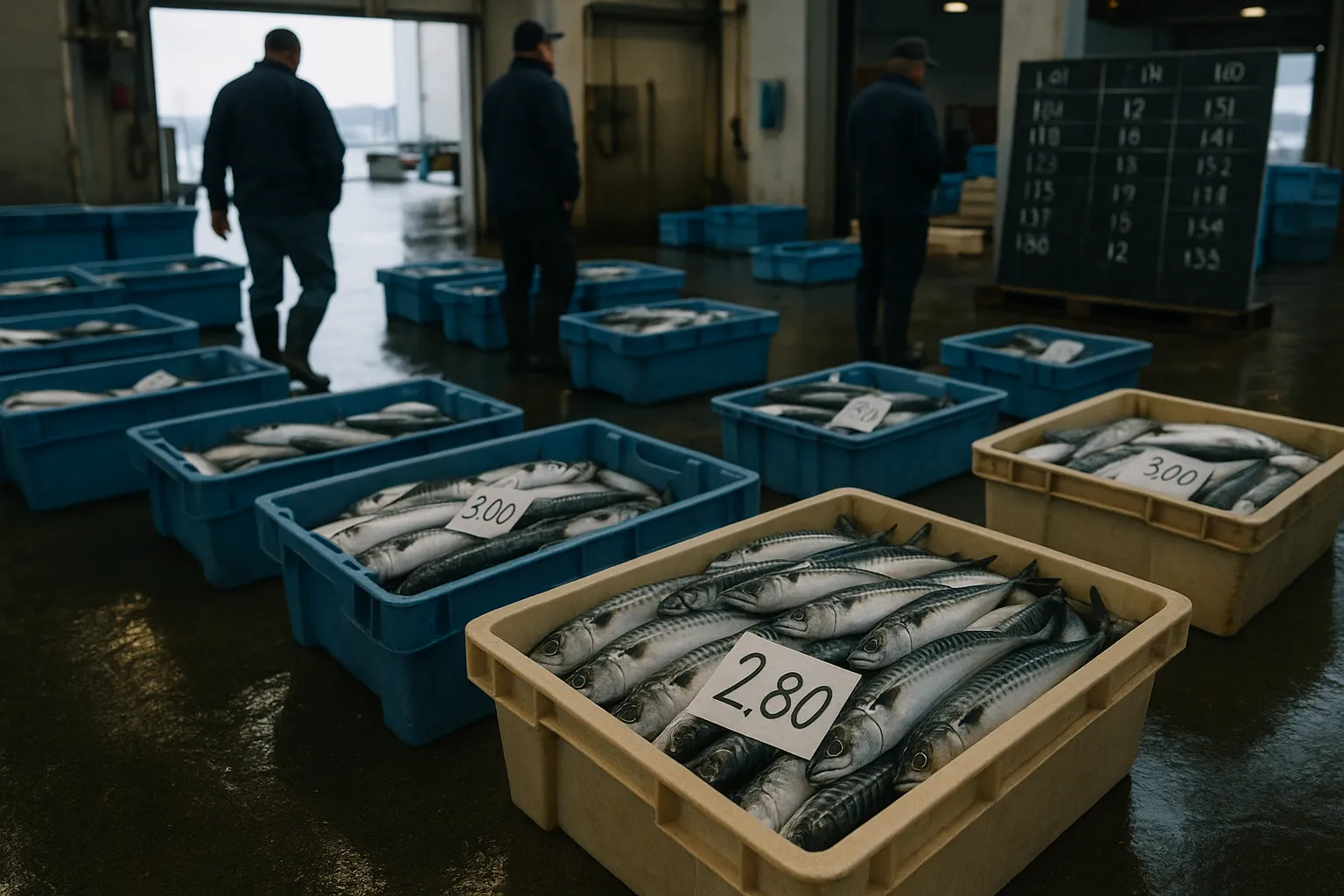
The European Union has announced a reduction in mackerel fishing quotas, deciding to cut them by 48% instead of the previously planned 70%. This decision comes at a critical time, as studies have warned of potential risks to this species of fish. This adjustment aligns with the positions of both the United Kingdom, Norway, the Faroe Islands, and Iceland, in a move that could impact the sustainability of this marine resource.
France did not oppose this adjustment, reflecting a consensus among European countries on the importance of maintaining a balance in mackerel fishing. This decision has sparked mixed reactions among scientists and environmental activists, who have warned that this easing of restrictions could lead to a further decline in mackerel populations.
Details of the Decision
Last December, the European Union proposed a 70% reduction in mackerel fishing quotas in response to scientific reports indicating a significant decline in these fish populations. However, the recent decision to reduce quotas by 48% reflects pressures from some member states that rely on mackerel fishing as a primary source of income. This adjustment comes at a time when fishermen are facing significant challenges due to climate change and the degradation of marine environments.
Mackerel are considered an important fish species in the Atlantic Ocean, playing a vital role in the marine ecosystem. However, overfishing could lead to negative impacts on the balance of this system, raising concerns among scientists about the future of these species.
Context and Background
Historically, mackerel fishing has represented an important part of the marine economy in many European countries. As environmental pressures have increased, governments have begun to take steps to protect this resource. In recent years, several environmental policies have been implemented aimed at preserving biodiversity in the oceans, but challenges remain.
In 2020, studies showed that mackerel numbers had significantly declined, prompting scientists to call on governments to take stringent actions to protect these species. However, economic interests often conflict with these calls, complicating the situation further.
Implications and Effects
This decision could have far-reaching effects on the marine environment. Increasing fishing quotas could lead to a further decline in mackerel populations, threatening the ecological balance in the oceans. This may also impact coastal communities that rely on mackerel fishing as a primary source of income.
Moreover, this decision could escalate tensions between European countries and other nations involved in mackerel fishing. Unsustainable fishing practices can lead to disputes over marine resources, further complicating international relations in this area.
Impact on the Arab Region
Although mackerel is not a primary species in the Arab region, issues related to sustainable fishing and marine environmental conservation remain of significant importance. Arab countries face similar challenges in maintaining biodiversity in their seas, as they are subjected to pressures from overfishing and climate change.
The European Union's experience could serve as a lesson for Arab countries on how to address sustainable fishing issues. Cooperation among countries in this field could contribute to protecting marine resources and ensuring their sustainability for future generations.