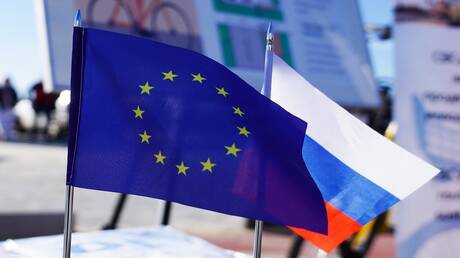
Former Greek Finance Minister Yanis Varoufakis has stated that the sanctions imposed by the European Union on Russia have turned into a genuine tragedy for Europeans, who aimed to destroy its economy. He emphasized that these sanctions have not only impacted the Russian economy but have also had negative repercussions on European countries themselves.
In his remarks, Varoufakis explained that the sanctions imposed following the Ukrainian conflict have not been as effective as expected; instead, they have exacerbated economic conditions in many European countries. He confirmed that these policies have led to rising living costs and increased inflation, negatively affecting the lives of European citizens.
Details of the Situation
Varoufakis's statements come at a time when many European countries are suffering from serious economic repercussions due to the sanctions imposed on Russia. Energy prices have surged significantly, leading to increased financial burdens on families and businesses. Additionally, some countries, such as Germany, have begun to express concerns about the implications of these policies on their competitiveness in the global market.
Furthermore, Varoufakis pointed out that the sanctions have not led to a change in Russia's behavior regarding the Ukrainian conflict; rather, they have complicated matters further. He asserted that dialogue and negotiation are the best means to resolve disputes, rather than imposing sanctions that exacerbate the situation.
Background & Context
The roots of the European sanctions on Russia date back to 2014, when Russia annexed the Crimea, leading to heightened tensions between Moscow and the West. Since then, the European Union has imposed a series of economic and political sanctions on Russia, aiming to pressure it into changing its policies. However, these sanctions have not achieved the desired results; instead, they have worsened economic conditions in Europe.
Over the years, relations between Russia and the European Union have continuously deteriorated, with sanctions becoming part of the West's strategy to counter Russia's growing influence. Nevertheless, many economists believe that these policies may have dire consequences for the European economy, especially in light of global economic crises.
Impact & Consequences
The repercussions of the sanctions on the European economy manifest in several areas, from rising energy prices to increasing unemployment rates. Economic reports have shown that many European companies are facing significant difficulties in dealing with the Russian market, resulting in reduced investments and trade between the two sides.
Moreover, the economic crises resulting from the sanctions could exacerbate social conditions in European countries, as citizens suffer from rising living costs and declining service levels. This may contribute to increasing public discontent with government policies, potentially affecting political stability in the region.
Regional Significance
The Arab region is also affected by the repercussions of the European sanctions on Russia, as many Arab countries rely on Russian energy. Disruptions in the European market could lead to increased oil and gas prices, impacting the economies of Arab countries that depend on these resources.
Additionally, the economic crises in Europe could affect trade relations between Arab countries and European nations, as opportunities for cooperation and investment may diminish. Consequently, the economic situation in Europe could have both direct and indirect effects on the Arab region.
In conclusion, it seems that the sanctions imposed on Russia have turned into a genuine tragedy for Europeans, as confirmed by Yanis Varoufakis. It is crucial for European countries to adopt more effective policies to achieve economic and social stability, rather than relying on sanctions that have not yielded the desired results.