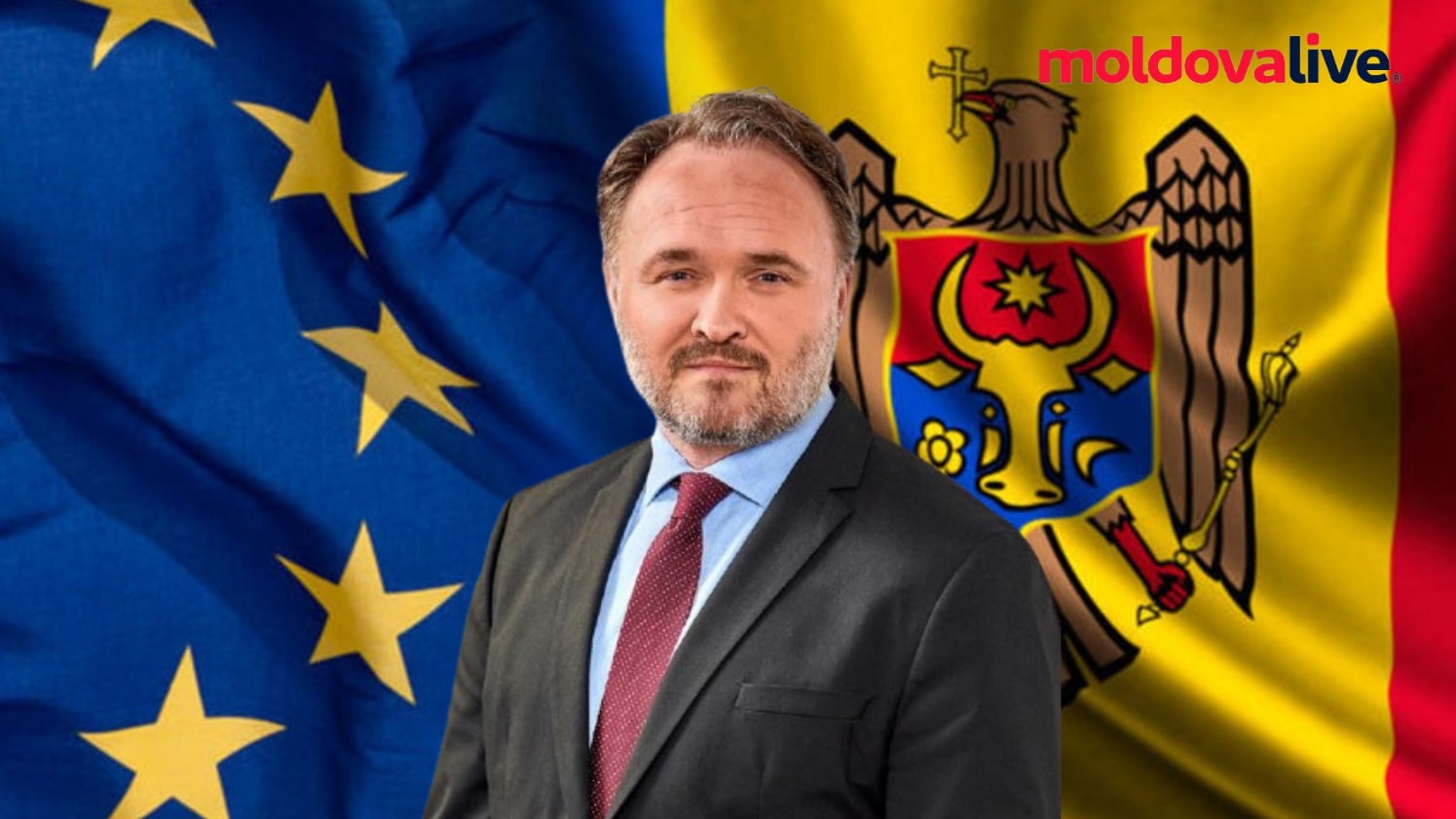
The European Union's Energy Commissioner, Dan Jansen, announced today, Tuesday, the EU's readiness to activate a set of measures to assist member states in addressing the repercussions of the war in Iran. Jansen confirmed that these measures are part of a proactive approach to prepare for ongoing disruptions in energy markets.
During a press conference in Brussels, Jansen highlighted the significant financial impact of the war, noting that 30 days of conflict have added approximately 14 billion euros to the EU's fossil fuel import bill. These figures reflect the scale of the challenges faced by member states under the current circumstances.
Details of the Announcement
Jansen's statements come at a sensitive time, as concerns grow over the war in Iran's impact on global energy market stability. He indicated that the EU is working on developing multiple strategies to mitigate the effects of these crises, including enhancing cooperation among member states and providing necessary financial support.
Jansen also confirmed that the measures include strengthening coordination among member states to exchange information and resources, which contributes to enhancing the ability to respond to crises more effectively. These steps aim to reduce reliance on external energy sources and promote sustainability in the European energy sector.
Background & Context
Historically, the Middle East has witnessed numerous conflicts that have directly impacted global energy markets. The war in Iran is no exception, as Iran is considered one of the largest oil producers in the world. Any disruption in Iranian oil production can lead to a rise in global oil prices, affecting the economies of importing countries.
In recent years, the EU has worked to reduce its dependence on fossil fuels by promoting renewable energy sources. However, the current crises highlight the urgent need to address the immediate challenges facing energy markets.
Impact & Consequences
Reports anticipate that the repercussions of the war in Iran will significantly increase energy prices, which will impact the European economy as a whole. Rising fossil fuel prices may lead to increased living costs, placing additional pressure on households and businesses.
Furthermore, these conditions may lead to increased investments in renewable energy, as the EU seeks to achieve its climate goals. The upcoming period is expected to witness shifts in European energy strategies, focusing on innovation and sustainability.
Regional Significance
The Middle East is one of the most affected regions by geopolitical events, where the war in Iran could influence the stability of neighboring countries. Arab countries that rely on oil may face new challenges amid rising prices and market fluctuations.
Additionally, these conditions may open up new opportunities for cooperation between Arab countries and the EU in the field of renewable energy, contributing to enhancing energy security in the region.
In conclusion, the situation in Iran and its ongoing war remains a vital topic that requires close monitoring by both European and Arab nations. The measures taken by the EU could be an important step towards achieving greater stability in global energy markets.