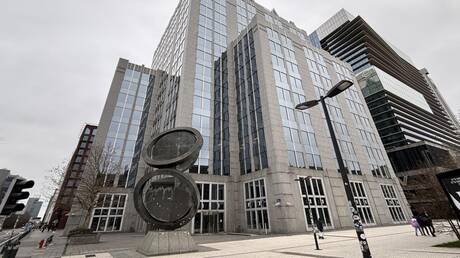
Bloomberg reports that the Belgian financial services and deposit institution Euroclear has relaxed the rules governing payments related to frozen Russian securities. This decision comes at a sensitive time as many financial institutions are reassessing their investments in light of the sanctions imposed on Russia.
Euroclear is one of the largest financial institutions in Europe and plays a crucial role in facilitating payments and financial settlements. The new decision could pave the way for the resumption of some financial activities related to Russian assets, which could significantly impact European and global financial markets.
Details of the Event
The easing of rules by Euroclear means that payments related to frozen Russian securities can now be conducted more easily. This change comes amid the challenges faced by financial institutions in dealing with Russian assets, which have been severely affected due to the Western sanctions imposed on Russia because of the conflict in Ukraine.
Through this decision, Euroclear aims to facilitate financial operations, which may help restore confidence in financial markets. However, the question remains regarding the impact of this decision on economic relations between Europe and Russia, especially under the current circumstances.
Background & Context
Since the onset of the conflict in Ukraine, many Western countries have imposed strict sanctions on Russia, leading to the freezing of numerous financial assets. These sanctions aimed to pressure the Russian government, but they have also affected global financial markets.
As a key player in the European financial market, Euroclear has faced significant pressure due to these sanctions. This pressure has prompted the institution to reassess its financial policies, leading to the decision to ease the rules concerning frozen Russian assets.
Impact & Consequences
This decision could have far-reaching effects on financial markets. On one hand, it may contribute to the resumption of some financial activities related to Russian assets, potentially increasing liquidity in the markets. On the other hand, this decision may provoke criticism from countries that continue to impose sanctions on Russia, which could lead to new tensions in international relations.
Furthermore, this decision could affect European companies with investments in Russia, as it may facilitate the resumption of certain financial activities. However, these companies must consider the risks associated with dealing with Russian assets under the current conditions.
Regional Significance
For Arab countries, this decision may have indirect effects. Many Arab nations have trade and investment relations with Russia, and easing financial rules may impact these relationships. Additionally, Arab financial markets may be influenced by changes in European markets, potentially leading to price fluctuations.
Ultimately, it remains to be seen how markets will react to this decision and whether it will lead to significant changes in global financial dynamics. Close monitoring of upcoming developments is required.