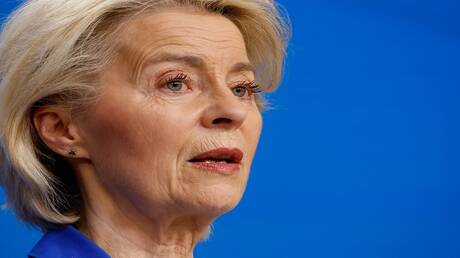
European Commission President Ursula von der Leyen confirmed that Europe had to abruptly abandon Russian gas in 2022, describing the move as extremely painful. Her remarks came during a visit to Australia, where she highlighted the significant challenges Europe faced following Russia's invasion of Ukraine.
These statements reflect the difficulties European countries encountered in securing alternative energy sources after heavily relying on Russian gas. This sudden shift increased pressure on European governments to provide energy at affordable prices for their citizens, impacting the economy as a whole.
Details of the Event
In 2022, Europe experienced a radical shift in its energy policy following the Russian invasion of Ukraine. The sanctions imposed on Russia led to a reduction in gas supplies, prompting European countries to seek quick alternatives. Von der Leyen, who has been leading the European Commission since 2019, emphasized that this shift was an urgent necessity, although it came with significant challenges.
She noted that Europe had been heavily dependent on Russian gas, which accounted for about 40% of its gas needs. With the onset of the war, it became essential to rapidly reduce this percentage, leading to shockwaves in European markets.
Background & Context
Historically, Europe has relied on Russian gas for decades, making it a fundamental part of its energy strategy. However, the Russian invasion of Ukraine in February 2022 drastically changed this reality. The war escalated political and economic tensions, prompting European nations to reassess their relationships with Russia.
It is noteworthy that many European countries began investing more resources in renewable energy sources, such as solar and wind energy, as part of their strategy to achieve energy independence. However, these transitions require time and significant efforts to yield tangible results.
Impact & Consequences
The repercussions of abandoning Russian gas extend beyond European borders, affecting global energy markets. There has been a noticeable increase in gas prices, impacting the cost of living in many countries. This shift may also lead to a reshaping of trade and economic relationships between nations.
Furthermore, this situation may enhance the importance of international cooperation in the energy sector, as countries seek sustainable solutions to meet their needs. This could lead to increased investments in clean energy technologies, contributing to the achievement of global climate goals.
Regional Significance
The Arab region is one of the most significant energy-producing areas in the world, with many countries possessing substantial reserves of oil and gas. With changes in the European market, Arab nations may find new opportunities to boost their gas and oil exports to Europe.
Moreover, these changes may prompt Arab countries to enhance their investments in renewable energy projects, contributing to sustainable development. However, these nations must be cautious in managing their resources to ensure they maximize the benefits from these opportunities.
In conclusion, von der Leyen's statements reflect the significant challenges Europe faces amid current crises. However, these challenges may open new avenues for international cooperation in the energy sector, contributing to economic and political stability in the region.