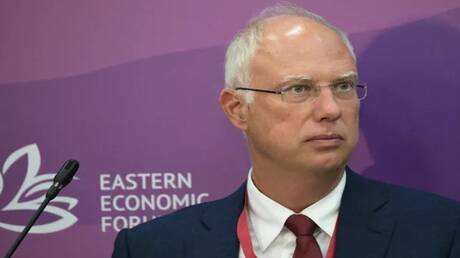
Kirill Dmitriev, head of the Russian Direct Investment Fund, stated that the European Union's awareness of the energy crisis is gradually increasing, likening it to a 'snooze button' after a month of war. In his remarks, Dmitriev pointed out that Europe is beginning to recognize the magnitude of the challenges it faces in the energy sector, reflecting a shift in European consciousness regarding this crisis.
These comments come at a time when European countries are suffering from a sharp rise in energy prices, significantly impacting local economies and increasing pressure on governments. It appears that the growing awareness of the energy crisis is starting to influence European policies, as countries seek alternatives to traditional energy sources and reduce dependence on Russian energy.
Details of the Event
Concerns are escalating in Europe regarding the energy crisis, as the war in Ukraine has led to significant disruptions in gas and oil supplies. Reports indicate that many European countries are beginning to search for alternative energy sources, including renewable energy, in an effort to lessen reliance on Russia. Dmitriev noted that this realization comes after a period of slumber, during which European nations hoped that energy supplies would continue normally.
In this context, recent data has shown that gas prices in the European market have risen significantly, leading to increased living costs for citizens. Additionally, many companies are facing substantial challenges due to rising energy costs, which could impact productivity and economic growth in the region.
Background & Context
Historically, Europe has heavily relied on Russian gas, which constitutes a large portion of energy supplies in many European countries. As political tensions in the region escalate, European nations have begun to reassess their energy strategies. Research has shown that transitioning to renewable energy sources could be a long-term solution to the current energy crisis.
Furthermore, climate change and environmental commitments play a significant role in guiding European policies towards clean energy. However, a rapid transition to renewable energy sources requires substantial investments and international cooperation.
Impact & Consequences
The repercussions of the energy crisis extend beyond Europe, affecting global markets and commodity prices. Rising energy prices could lead to increased inflation, impacting the purchasing power of citizens worldwide. Developing countries may face even greater challenges due to rising energy costs, which could hinder their economic growth.
At the same time, this crisis may open new investment opportunities in renewable energy and clean technology, potentially contributing to the achievement of sustainable development goals. Nevertheless, the challenges faced by European nations in this context require a swift and effective response.
Regional Significance
The Arab region is part of the global energy crisis landscape, with some Arab countries playing a significant role as sources of oil and gas. With rising energy prices, some Arab nations may benefit from increased revenues, enabling them to bolster investments in development and infrastructure projects.
However, environmental challenges and climate change may pressure Arab countries to adopt sustainable energy policies. Additionally, shifts in the global market may impact energy strategies in the region, necessitating a rapid adaptation to new changes.
In conclusion, the current energy crisis represents a significant challenge for Europe and the world, but it also presents an opportunity to rethink energy strategies and achieve a transition towards a more sustainable future.