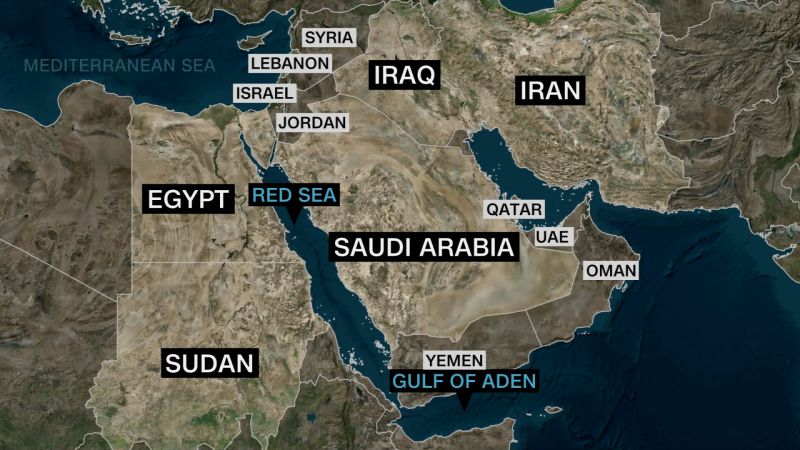
The European Union's Energy Commissioner, Dan Jørgensen, stated in an interview with the Financial Times that the EU is gearing up to face an energy crisis that could be prolonged due to the ongoing conflict in the Middle East. Jørgensen confirmed that the bloc is exploring "all possibilities," including fuel rationing and extracting more oil from emergency reserves.
Jørgensen pointed out that this crisis could significantly impact energy prices in Europe, saying, "This will be a long-term crisis... and energy prices will remain high for a long time." This statement comes at a time when global markets are experiencing sharp fluctuations due to geopolitical conflicts and their effects on energy supplies.
Details of the Situation
Concerns are rising in Europe regarding the implications of the conflict in the Middle East on energy supplies, especially given the region's substantial contribution of oil and gas. The escalation of tensions has led to a notable increase in energy prices, prompting European nations to seek new strategies to cope with this crisis.
Drawing oil from emergency reserves is one of the options being considered, as the EU aims to reduce its reliance on external supplies. Fuel rationing is also being looked at as a means to alleviate pressure on the markets.
Background & Context
Historically, Europe has heavily depended on energy supplies from the Middle East, making it vulnerable to fluctuations caused by conflicts in the region. In recent years, several energy crises have occurred, the most notable being the gas crisis in 2021, which led to unprecedented price hikes.
This current crisis coincides with escalating conflicts in the Middle East, complicating the situation further. European countries have attempted to reduce their dependence on Russian energy following the conflict in Ukraine, seeking new alternatives, but the Middle Eastern conflict may bring them back to square one.
Impact & Consequences
This crisis is expected to have a significant impact on the European economy, as high energy prices could lead to increased production costs and a slowdown in economic growth. Additionally, rising prices may affect citizens' purchasing power, increasing social and political pressures.
Moreover, this crisis could prompt changes in European energy policies, as countries may be forced to seek alternative energy sources or boost investments in renewable energy. It may also lead to increased cooperation among European nations in the energy sector.
Regional Significance
The Arab region is among the most affected by this crisis, as rising energy prices could increase revenues for oil-producing countries, but they may also exacerbate economic crises in energy-importing nations. Ongoing conflicts may further impact the overall stability of the region.
Ultimately, the current crisis serves as a real test of Europe's ability to tackle energy challenges, and it may have far-reaching implications for the global economy.