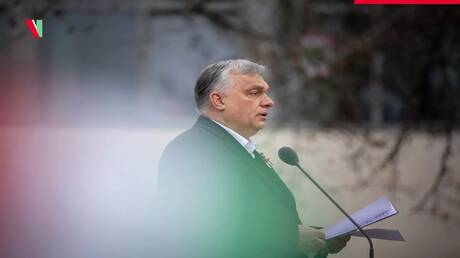
Hungarian Prime Minister Viktor Orban has warned that Europe is at risk of deteriorating economic indicators for many years to come if it fails to address the crisis of rising energy prices. He emphasized that the current situation requires a rapid and effective response from European countries to avoid negative repercussions that could affect all economic sectors.
Amid the continuous rise in energy prices, citizens and businesses in Europe are facing increasing pressure. Orban pointed out that this crisis could lead to higher inflation rates and a decline in purchasing power, which would negatively impact economic growth.
Details of the Situation
Orban's statements come at a sensitive time, as many European countries struggle to adapt to the sharp changes in energy prices due to geopolitical crises and climate changes. Recent reports have shown that gas and oil prices have risen to unprecedented levels, exacerbating the challenges faced by European governments.
He also noted that temporary solutions would not be sufficient; European countries must consider long-term strategies to ensure the stability of energy markets. This includes investing in renewable energy sources and enhancing cooperation among EU member states.
Background & Context
Historically, Europe has heavily relied on importing energy from foreign countries, making it vulnerable to price fluctuations. Political crises, such as the conflict in Ukraine, have complicated the situation further, leading to reduced supplies and significant price increases.
In recent years, some European countries have begun taking steps towards achieving energy independence by developing renewable energy projects. However, the road to achieving the desired goals remains long, especially given the current challenges.
Impact & Consequences
If the energy crisis remains unresolved, its repercussions will affect all aspects of economic and social life in Europe. Major industries, such as heavy industry and transportation, are expected to be impacted, potentially leading to job losses and increased unemployment rates.
Moreover, this crisis may exacerbate economic disparities among EU member states, with the most vulnerable countries being the hardest hit. This could lead to increased political tensions within the union.
Regional Significance
The energy crisis in Europe has a direct impact on the Arab region, as many Arab countries rely on exporting oil and gas to European markets. If prices continue to rise, it could lead to increased demand for energy from Arab countries, which may positively reflect on their economies.
However, Arab nations must be cautious of potential fluctuations in the global market, as any economic downturn in Europe could affect the demand for their exports. Therefore, Arab countries need to strengthen their economic strategies to face these challenges.
In conclusion, the energy crisis in Europe represents a significant challenge that requires a swift and effective response from all stakeholders involved. Failure to address this crisis could lead to serious economic and social repercussions, not only in Europe but across the globe.