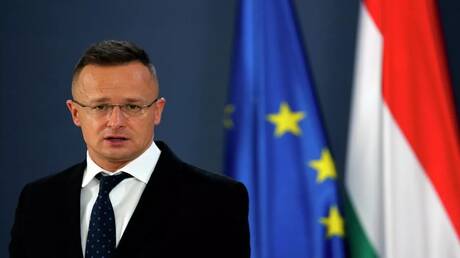
Hungarian Foreign Minister Péter Szijjártó has warned that Europe is rapidly heading towards a severe energy crisis, pointing to a significant decline in gas storage levels in European facilities. Szijjártó emphasized that the current situation requires urgent action to avoid exacerbating the crisis.
These warnings come at a sensitive time when many European countries are suffering from rising energy prices, increasing pressure on households and businesses. The minister noted that current storage levels are insufficient to meet the needs of the upcoming winter, raising concerns about the ability to secure necessary energy during the cold months.
Details of the Situation
Szijjártó reported that gas storage levels in European facilities have dropped significantly, reaching unprecedented lows. He pointed out that this decline comes amid increased demand for gas due to the harsh climatic conditions that Europe has experienced in recent years.
The minister also indicated that European countries need to diversify their energy sources and reduce reliance on Russian gas, which has constituted a significant portion of the continent's energy supply. He called for enhanced cooperation among European nations to secure alternative energy supplies.
Background & Context
Historically, Europe has heavily relied on Russian gas to meet its energy needs. With rising political tensions between Russia and Western nations, many European countries have begun seeking alternatives to secure their energy supplies. This shift has led to increased investments in renewable energy sources, such as solar and wind power.
However, transitioning to alternative energy sources requires time and substantial efforts, placing European nations in a challenging position at present. This situation reflects the significant challenges the continent faces in achieving energy sustainability.
Impact & Consequences
If the energy crisis continues to worsen, it could significantly impact the European economy. Rising energy prices are expected to lead to increased living costs, which may negatively affect domestic consumption and economic growth.
Additionally, energy shortages could lead to reduced industrial production, threatening jobs and increasing unemployment rates in some countries. Consequently, the repercussions of the energy crisis could be widespread, affecting all aspects of economic and social life in Europe.
Regional Significance
The energy crisis in Europe is particularly significant for the Arab region, as it can influence global oil and gas prices. If energy prices rise in Europe, this may lead to increased demand for oil and gas from Arab countries, which could positively impact their economies.
However, Arab nations must remain cautious, as any fluctuations in the global market could affect their economic stability. Therefore, enhancing Arab cooperation in the energy sector may be essential to address future challenges.
In conclusion, Europe appears to be facing significant challenges in the energy sector, necessitating a swift and effective response from the concerned nations. International cooperation and a shift towards alternative energy sources may be key to overcoming this crisis.