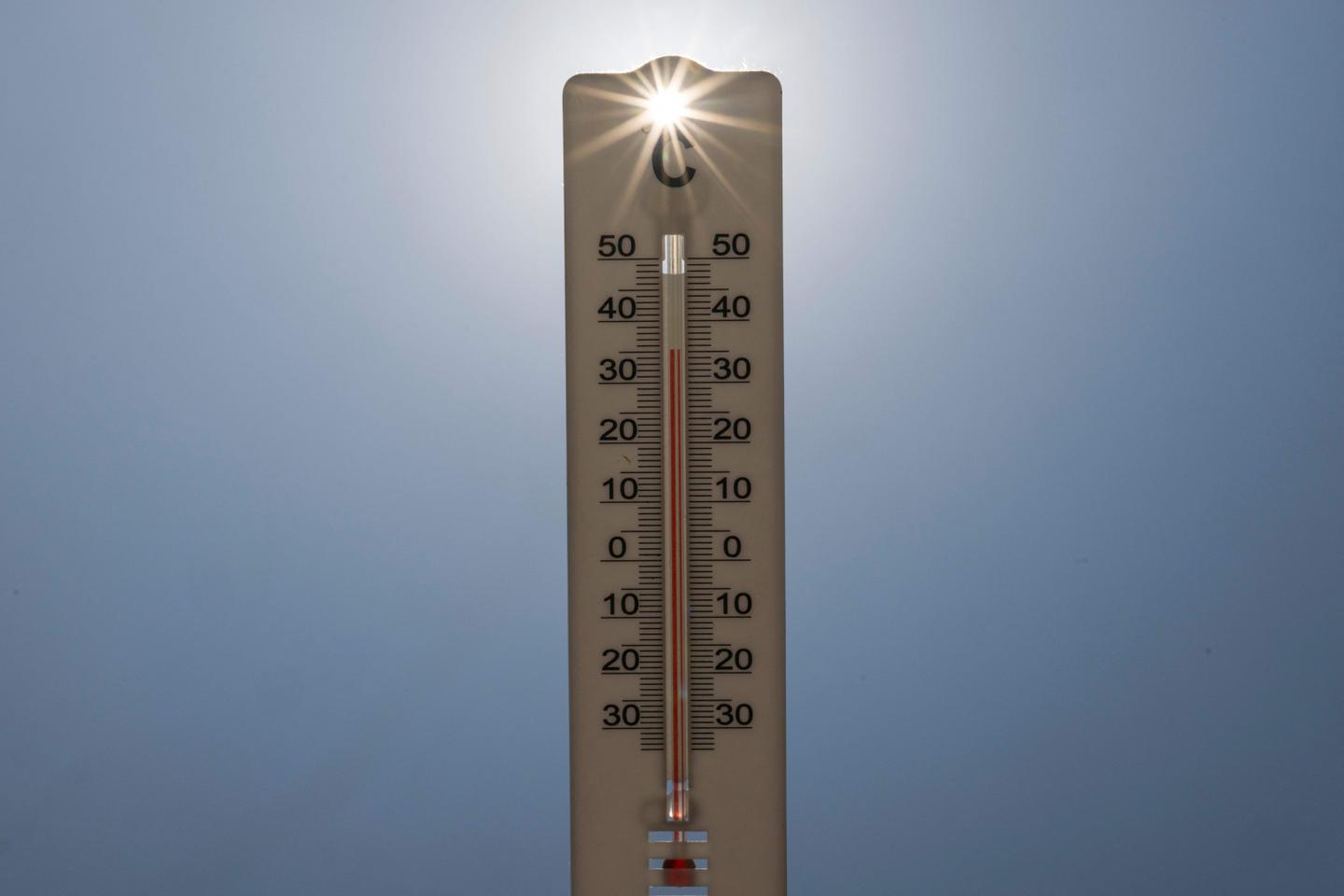
Recent research indicates that Europe is facing an unprecedented climate crisis, making it the fastest warming continent in the world. According to a report from the World Meteorological Organization, Europe is recording temperature increases at more than double the global average, necessitating immediate and effective action.
The report, released on April 29, highlights that 95% of the continent's land has experienced temperatures above normal levels. Temperatures have reached record highs, exceeding 30 degrees Celsius in some polar regions, a phenomenon previously deemed impossible.
Details of the Climate Crisis
Several factors contribute to this rapid increase in temperatures, including changes in weather patterns and improved air quality that reduces reflective particles, exacerbating the greenhouse effect. Additionally, the melting of ice in the Arctic is one of the most significant negative outcomes of this phenomenon, with Greenland losing approximately 139 billion tons of ice, equivalent to the volume of 100 Olympic-sized swimming pools every hour.
Simultaneously, European seas are experiencing unprecedented temperature rises, with 86% of marine areas subjected to extreme heatwaves, threatening marine biodiversity. Reports indicate that the continent is also facing an increase in droughts and floods, reflecting a state of climatic instability.
Background & Context
Historically, Europe has been viewed as a model in environmental policy; however, current challenges reveal that these policies are no longer sufficient. Since the beginning of the 21st century, the frequency of natural disasters has increased, indicating the need to reassess strategies employed to combat climate change.
The climate crisis in Europe is part of a larger global crisis, with studies showing that climate changes affect all continents. However, its impact is more pronounced in Europe, necessitating a coordinated response at the continental level.
Impact & Consequences
Analyses suggest that the negative impacts of global warming will not only affect the environment but will also extend to the economy and public health. Wildfires that have devastated over one million hectares of forests have resulted in significant loss of vegetation cover, increasing carbon dioxide emissions.
Moreover, climate changes threaten food security in many European countries, as agricultural production is expected to be adversely affected. Consequently, the need for effective strategies to address these challenges has become more urgent than ever.
Regional Significance
The climate crisis in Europe is particularly important due to its potential impact on environmental and economic stability worldwide. As Europe grapples with these challenges, the ripple effects could influence global climate patterns and economic conditions.
In conclusion, the urgency of addressing the climate crisis in Europe cannot be overstated. Immediate and coordinated action is essential to mitigate its effects and ensure a sustainable future for the continent and beyond.