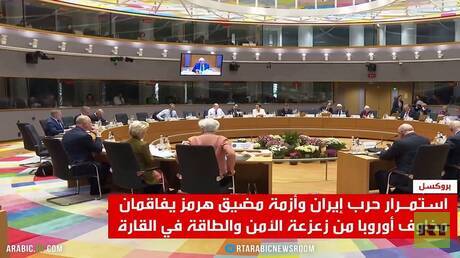
European nations are ramping up diplomatic efforts to address the repercussions of the war in Iran, driven by concerns over a prolonged energy crisis and rising shipping costs. This initiative comes amid increasing economic challenges faced by the continent, necessitating urgent steps to secure energy sources and alleviate financial burdens on their populations.
Fears are mounting in Europe regarding the impact of the Iranian war on global energy markets, as Iran is considered one of the largest oil producers in the world. With the escalation of the conflict, the European Union faces the possibility of oil supply disruptions, which could lead to unprecedented increases in energy prices.
Details of the Situation
Recently, several European countries have expressed their willingness to undertake diplomatic initiatives aimed at calming the situation in Iran. These initiatives have included communications with the Iranian government, as well as calls for dialogue with the parties involved in the conflict. European nations are also seeking to coordinate with their allies in the region to ensure the stability of energy markets.
Reports indicate that some European countries, such as Germany and France, are working on alternative plans to secure energy supplies, including enhancing cooperation with other producing nations. These countries are also considering options to boost their investments in renewable energy sources to reduce reliance on Iranian oil.
Background & Context
Historically, Iran has played a pivotal role in the global energy market, exporting significant quantities of oil to Europe and Asia. However, political and military tensions in the region, including sanctions imposed on Iran, have adversely affected its ability to export oil. These conditions have led to increased volatility in oil prices, impacting European economies that heavily depend on imported energy.
In recent years, relations between Iran and Western nations have become increasingly strained, particularly following the United States' withdrawal from the Iranian nuclear agreement. This withdrawal led to the renewal of economic sanctions on Iran, affecting its oil export capacity and increasing economic pressures on the Iranian populace.
Impact & Consequences
Many studies predict that the repercussions of the Iranian war will have negative effects on the European economy. Rising energy prices could lead to increased living costs, adversely affecting social stability in many countries. Additionally, any disruption in Iranian oil supplies could impact European industries that rely on these supplies.
Furthermore, the continuation of the conflict may exacerbate humanitarian conditions in Iran, potentially necessitating international interventions to provide aid. This, in turn, could increase pressures on European governments to address the consequences of the humanitarian crisis.
Regional Significance
The Arab region is among the most affected by events in Iran, as many Arab countries have close economic and political ties with Iran. Any escalation in the conflict could lead to heightened tensions in the region, potentially impacting the stability of neighboring countries.
Moreover, rising oil prices due to the conflict could affect the economies of oil-producing Arab nations, creating new challenges for these countries amid volatile global economic conditions.
In conclusion, the current situation in Iran requires an effective diplomatic response from European nations, as the repercussions of the conflict extend beyond Iran, encompassing wide-ranging effects on the global economy, including the Arab region.