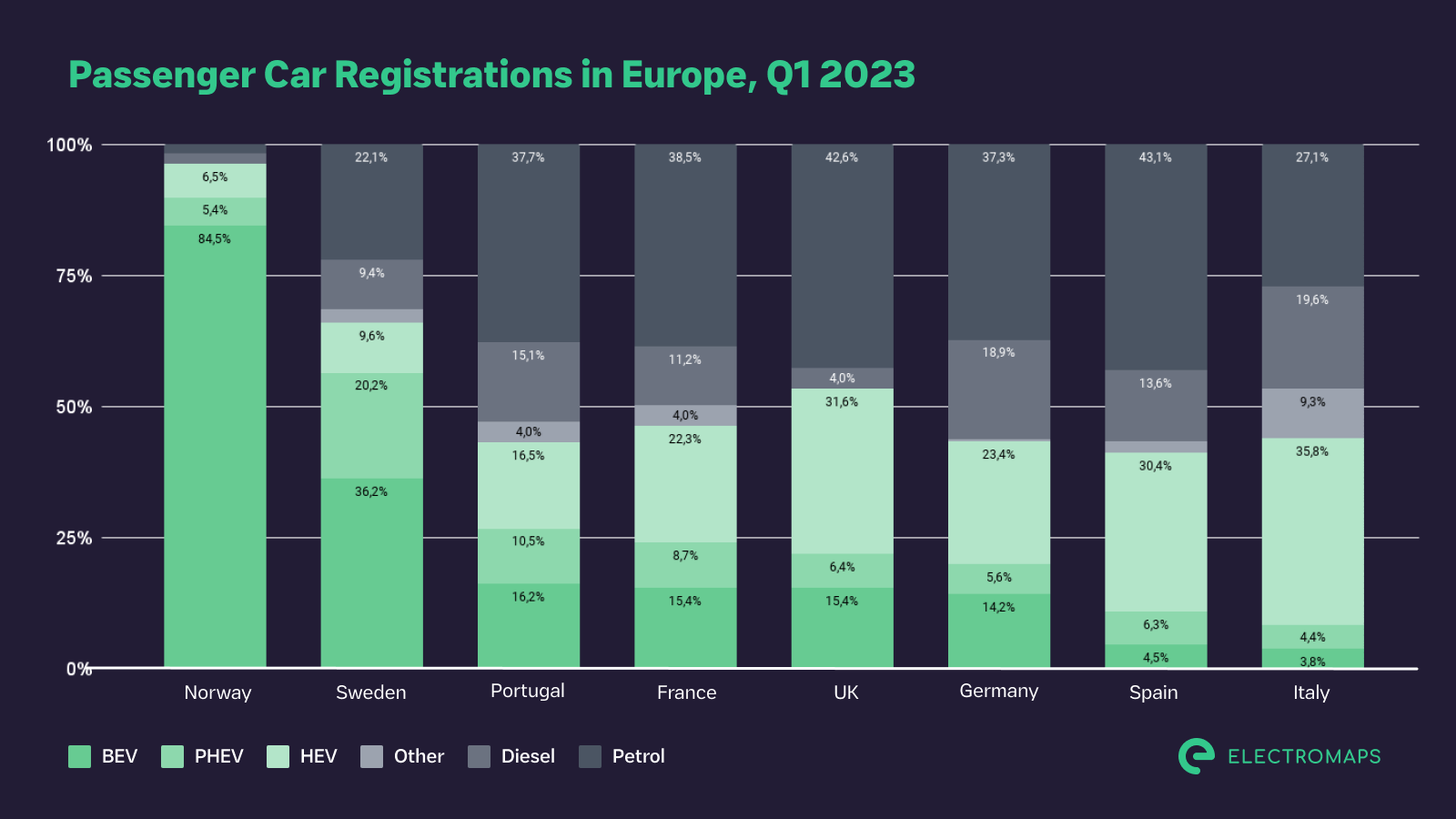
Reports indicate that Europe is experiencing a significant surge in electric vehicle sales, with 30 countries leading the shift towards clean transportation. This transformation is part of global efforts to combat climate change and reduce carbon emissions, reflecting the commitment of European nations to environmental sustainability.
Figures show that electric vehicle sales in Europe have risen dramatically over the past few years, as these vehicles have become a preferred choice for many consumers. Countries like Norway, The Netherlands, and Germany top the list of the highest-selling electric vehicle markets, showcasing the success of government policies supporting this sector.
Event Details
According to data, Norway recorded the highest percentage of electric vehicle sales, with over 54% of new cars sold being electric. The Netherlands ranks second with 30%, followed by Germany, which saw a notable increase in demand for electric vehicles over the past year.
This success can be attributed to a combination of factors, including government incentives, the availability of charging infrastructure, and increased environmental awareness among consumers. Additionally, many car manufacturers have invested heavily in developing new electric models, contributing to improved options available to consumers.
Background & Context
Historically, Europe has been one of the first continents to adopt strict environmental policies, setting ambitious targets to reduce carbon emissions. In 2019, the European Commission launched the Green Deal plan aimed at making Europe the first climate-neutral continent by 2050.
This shift towards electric vehicles is not just a temporary trend; it is part of a comprehensive strategy aimed at completely reshaping the transportation sector. With increasing pressures from environmental organizations and civil society, European governments are more committed than ever to promoting the use of electric vehicles.
Impact & Consequences
This shift in electric vehicle sales has positive implications for the environment, as it helps reduce greenhouse gas emissions. Furthermore, this trend fosters innovation in the renewable energy sector, opening new avenues for investment in clean technology.
Moreover, the increased use of electric vehicles can contribute to improved air quality in cities, benefiting public health. However, this transition also requires significant investments in infrastructure, such as charging stations, to ensure the sustainability of this trend.
Regional Significance
As Europe moves towards electric vehicles, Arab countries face different challenges in the transportation sector. Although some countries, like the United Arab Emirates, have begun adopting electric vehicles, the transition remains slow compared to Europe.
Arab nations can benefit from European experiences in promoting electric vehicle use by implementing encouraging policies and developing the necessary infrastructure. This transition could help reduce reliance on fossil fuels, enhancing environmental sustainability in the region.
In conclusion, Europe's success in electric vehicle sales serves as a model for other countries. As global pressures to combat climate change continue, it is essential for Arab nations to adopt similar strategies to promote clean transportation.