The European Union's Energy Commissioner, Dan Jørgensen, in an interview with the Financial Times, revealed that the EU is considering all available options to tackle the escalating energy crisis, which may stem from ongoing conflicts in the Middle East. Jørgensen explained that among the proposed options are fuel rationing and drawing more oil from strategic reserves in preparation for a potentially long-term energy shock.
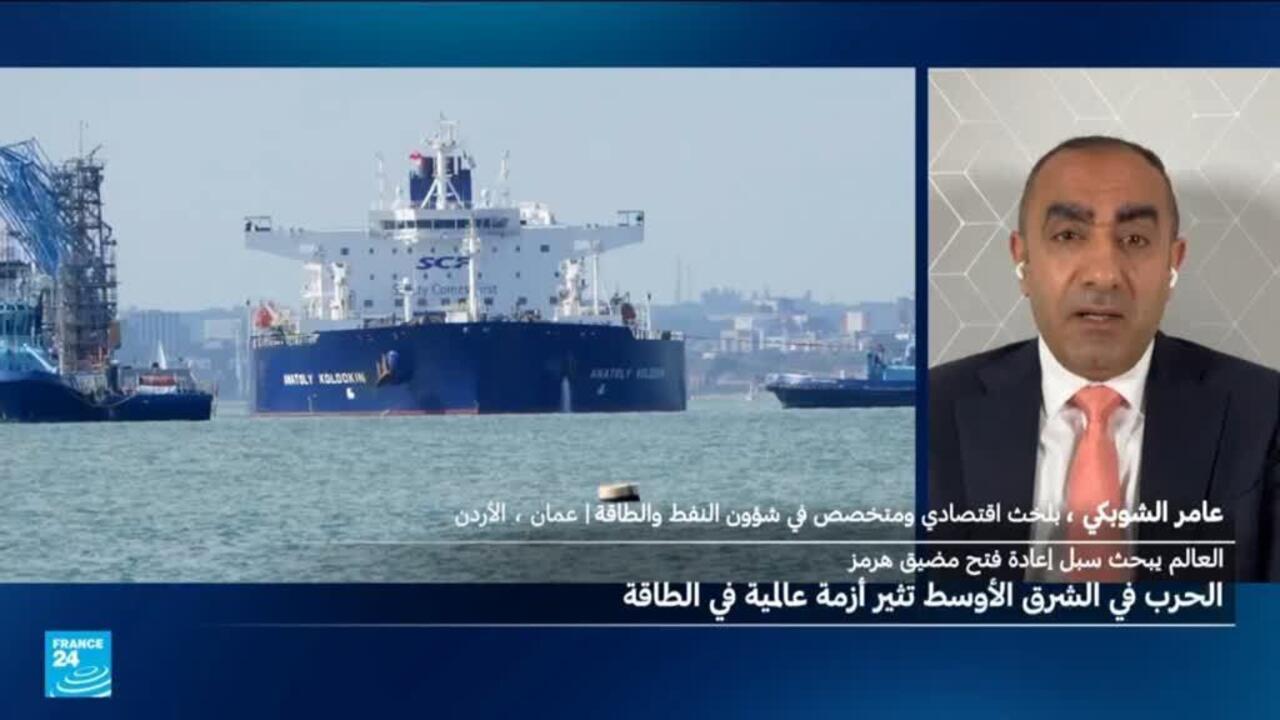
These statements come at a sensitive time, as the Iranian Revolutionary Guard confirmed on Wednesday that the Strait of Hormuz, a vital artery for oil transport, will remain closed to what they termed the country's 'enemies'. Such remarks raise concerns in global markets, especially amid rising tensions in the region.
Details of the Situation
Reports indicate that the current energy crisis may be more severe than previous crises due to its intersection with geopolitical issues. The EU is carefully examining its options as it seeks to reduce reliance on external energy sources, particularly in light of escalating tensions with Iran.
In this context, U.S. President Donald Trump stated that he would not consider a ceasefire in the region unless the Strait of Hormuz is reopened. These remarks reflect the complexity of the situation, as any closure of the strait could lead to a significant spike in oil prices, directly impacting the global economy.
Background & Context
Historically, the region has witnessed numerous crises that have affected energy markets, from the Iranian Revolution in 1979 to the Iraqi invasion of Kuwait in 1990. Each of these crises had its own ramifications on oil prices and global energy markets.
The current crisis arises at a critical juncture, as the EU strives to mitigate the impacts of the war in Ukraine on energy supplies. Additionally, tensions in the Middle East, particularly with Iran, complicate the landscape, making it essential for European nations to take proactive steps to safeguard their economies.
Impact & Consequences
If the current crisis persists, European nations may face significant challenges in securing energy supplies. This is likely to lead to rising energy prices, affecting living costs and increasing economic pressures on households and businesses.
Moreover, this crisis could impact international relations, as European countries may need to seek alternative energy sources, potentially leading to shifts in political and economic alliances.
Regional Significance
Arab oil-producing countries find themselves in a sensitive position amid these developments. Some nations may benefit from rising oil prices, while others could face economic challenges due to market fluctuations.
Furthermore, increasing tensions in the region could escalate conflicts, affecting regional stability. It is crucial for Arab nations to remain vigilant and work towards stabilizing energy markets to safeguard their economic interests.
In conclusion, the current energy crisis remains a vital issue requiring global attention, as its repercussions may extend beyond the borders of European nations, impacting the global economy as a whole.