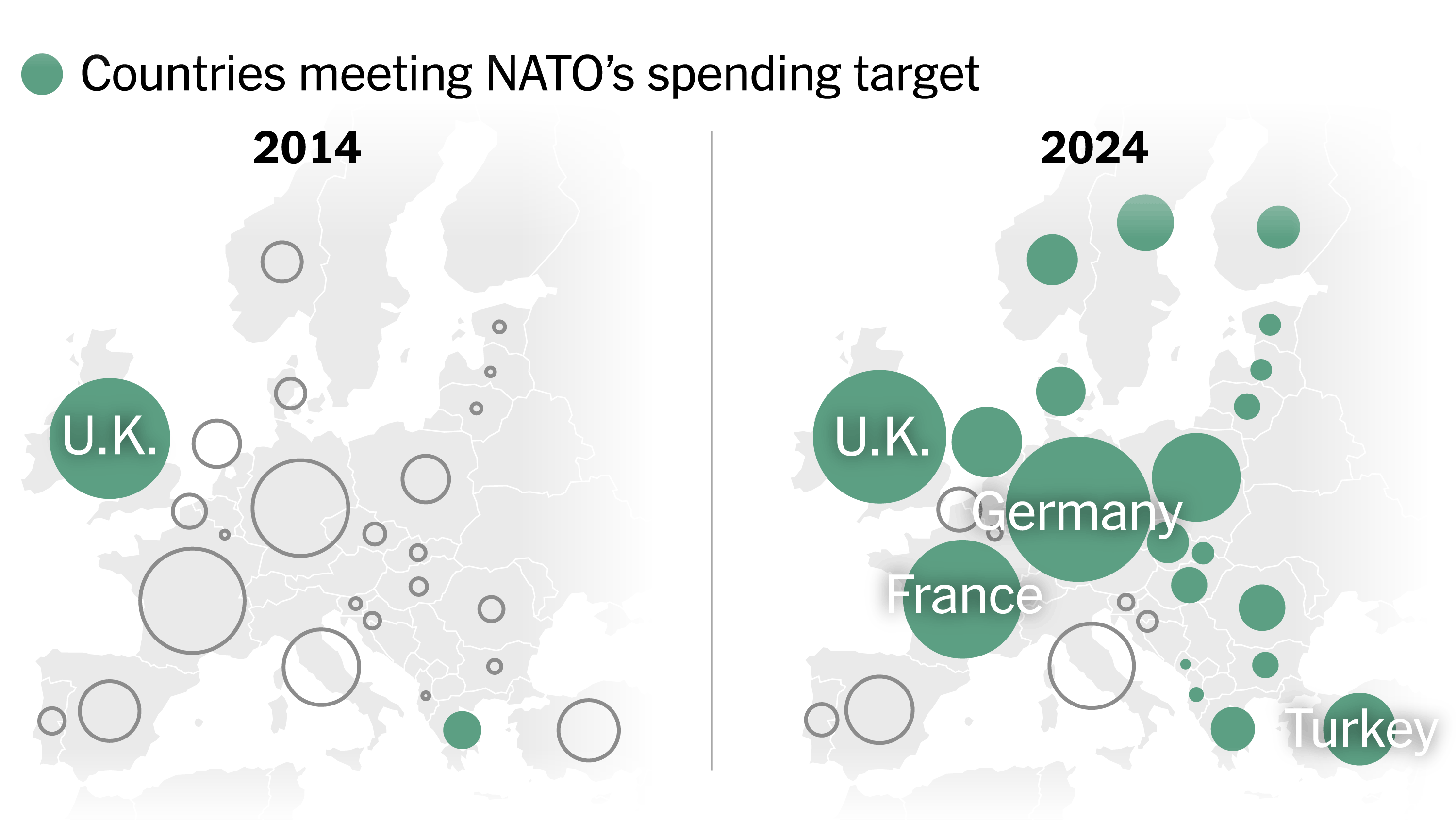
European countries are seeking to change their spending priorities after decades of focusing on domestic expenditures, putting pressure on national budgets and potentially provoking voter discontent. This shift comes amid rising tensions in the Middle East, particularly concerning Iran, where fears are growing about the impact of regional conflicts on European security.
After years of focusing on social and economic issues, European governments are beginning to recognize the urgent need to enhance their military capabilities. This move comes at a sensitive time, as the region witnesses an escalation in conflicts, increasing pressure on governments to allocate greater resources for defense.
Details of the Shift in Military Spending
European governments are looking to reassess their defense strategies in light of increasing threats from the Middle East. While many countries have invested in areas such as education and healthcare, the current situation necessitates redirecting these resources towards strengthening military capabilities. This shift may lead to internal conflicts over spending priorities, as leaders face pressure from voters who may be concerned about tax increases or cuts to social services.
In this context, reports have indicated that some countries, such as Germany and France, have already begun to increase their military budgets. However, this increase may not be sufficient to meet the growing challenges, raising questions about the effectiveness of these strategies in achieving sustainable security.
Background & Context
Historically, Europe has focused on rebuilding its economies after the world wars, leading to a reduction in military spending. However, recent events, including conflicts in the Middle East and Africa, have brought the importance of security and defense back to the forefront. Over the past few years, Europe has faced several crises, from the refugee crisis to terrorist threats, prompting leaders to consider how to enhance both internal and external security.
Additionally, the increasing tensions with Iran, which is witnessing a surge in military activities, place Europe in a sensitive position. As threats escalate, European governments must make difficult decisions on how to effectively allocate their resources.
Impact & Consequences
The shift towards increased military spending may have significant implications for the domestic and foreign policies of European countries. On one hand, it could enhance defense capabilities, contributing to improved security. On the other hand, it may provoke voter discontent among those who feel their priorities have not been taken into account.
This transition could also lead to internal tensions, as some voters may oppose increased military spending at the expense of social services. These dynamics could affect government stability, increasing the challenges they face in a complex political environment.
Regional Significance
Considering the situation in the Arab region, the rising tensions in Europe may indirectly affect Arab countries. As military spending increases in Europe, there may also be a heightened interest in security issues in the Middle East, potentially leading to changes in regional policies.
Furthermore, any escalation in conflicts in the Middle East could impact relations between Arab states and Europe, requiring Arab leaders to contemplate how to enhance security cooperation with European nations amid these changes.