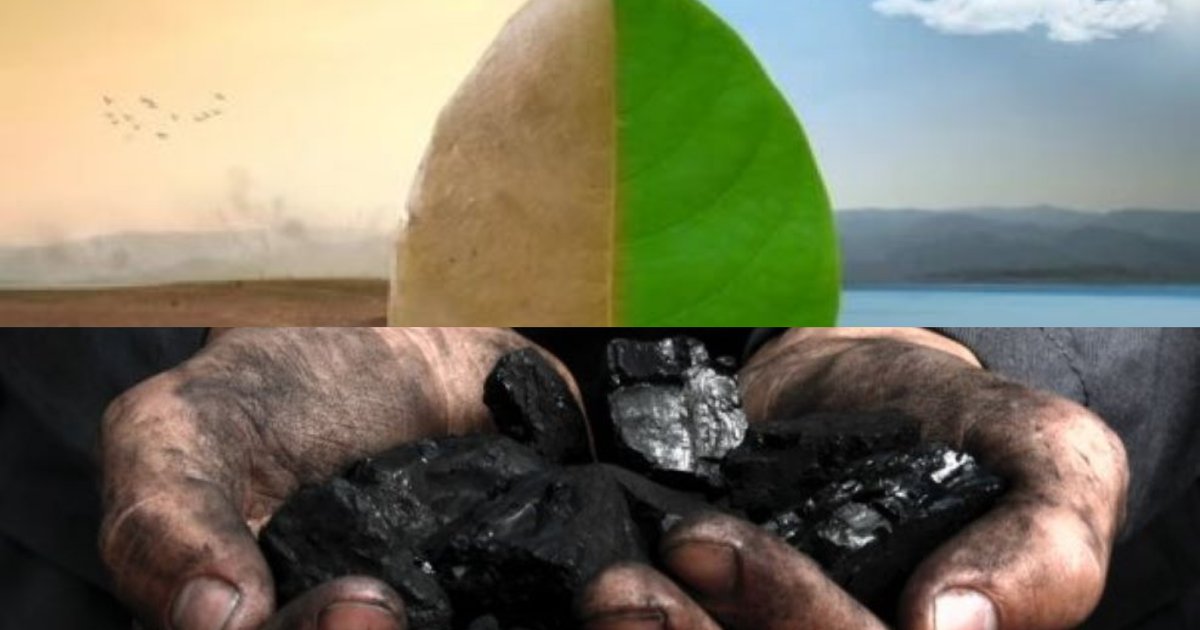
European countries have announced a reduction in their climate goals in response to the ongoing energy crisis affecting the continent. This decision comes amid rising energy prices and their impact on the European economy, as governments seek to balance environmental commitments with market demands.
Under the current circumstances, Europe faces significant challenges related to securing energy supplies, especially following escalating geopolitical tensions in the region. The conflict in Ukraine has led to a reduction in Russian gas supplies, prompting European nations to seek quick and effective alternatives.
Details of the Decision
European countries are adjusting their climate strategies to alleviate the economic pressure caused by rising energy prices. The announcement of reduced climate goals was made at the recent European Climate Summit, where the need to balance environmental objectives with urgent economic needs was emphasized.
The new adjustments include postponing some ambitious renewable energy projects and focusing on increasing energy production from traditional sources, such as coal and gas, as temporary solutions. This decision has sparked widespread debate among environmental activists, who argue that this step could exacerbate the climate crisis in the long term.
Background & Context
Historically, Europe has been a leader in environmental policies, setting ambitious targets to reduce carbon emissions and increase reliance on renewable energy. However, successive crises, including the COVID-19 pandemic and geopolitical conflicts, have significantly impacted these goals.
In recent years, Europe has witnessed a shift in its policies, focusing more on securing energy supplies rather than environmental commitments. This has led to an increased reliance on traditional energy sources, raising concerns about the impact on climate change mitigation efforts.
Impact & Consequences
The reduction of climate goals is expected to have significant effects on the European economy. This decision could lead to greater reliance on fossil fuels, potentially exposing the continent to further environmental challenges in the future. Additionally, this trend may affect investments in renewable energy, as companies might retract their investments in this sector due to unclear future policies.
Moreover, this move could exacerbate tensions between European countries and energy-exporting nations, as each country seeks to secure its energy needs under the current circumstances. Consequently, this decision may negatively impact international cooperation on climate issues.
Regional Significance
The decision by Europe to reduce its climate goals has direct implications for the Arab region, which heavily relies on energy exports. This shift could lead to increased demand for oil and gas from Arab countries, potentially improving the economic situation for some nations in the region.
However, this trend may have negative repercussions on the efforts of Arab countries to transition to renewable energy. The increased demand for fossil fuels could delay investments in clean energy projects, hindering climate change mitigation efforts in the region.
In conclusion, the current situation requires European countries to urgently reassess their climate strategies, taking into account both economic and environmental challenges. Balancing environmental goals with economic needs will be crucial in the upcoming phase.