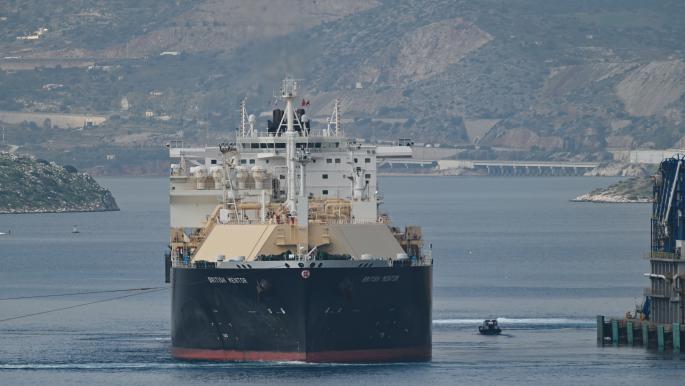
Europe is facing significant challenges in energy supply as EU countries aim to reduce their dependence on Russian gas, which has constituted a large part of their energy needs. This shift is occurring amid increasing pressures resulting from the war in Ukraine, prompting European nations to seek safer alternatives.
In this context, African LNG supplies are emerging as a strategic option. European countries are looking to strengthen partnerships with African nations to secure gas supplies, reflecting a shift in European energy policies.
Details of the Developments
Reports indicate that EU countries have already begun signing agreements with several African nations for LNG supplies. These agreements include partnerships with countries such as Nigeria and Algeria, which possess vast gas reserves. This move is part of a broader strategy aimed at reducing reliance on Russian gas, which has seen a sharp decline in supplies due to the conflict in Ukraine.
Europe is also seeking to diversify its energy sources, considering supplies from the U.S. and Qatar as part of this diversification. However, LNG from Africa provides a closer local alternative, reducing transportation costs and increasing supply security.
Background & Context
Since the onset of the war in Ukraine, Europe has faced an unprecedented energy crisis. Russia was considered the primary gas supplier, but the conflict has significantly curtailed supplies. This situation has prompted European nations to reassess their energy strategies and seek more sustainable and secure alternatives.
Historically, African nations have been viewed as secondary sources of gas, but recent geopolitical changes have positioned them as key destinations for securing European energy needs. Additionally, investments in gas infrastructure in Africa have seen a notable increase, reflecting growing interest from European countries.
Impact & Consequences
African LNG supplies are seen as a crucial step towards achieving European energy independence. This shift could reduce Russian influence in the European market, potentially altering the balance of power in the region. Strengthening relationships with African nations may also contribute to improving economic conditions in those countries, benefiting both sides.
However, the biggest challenge remains how to manage these relationships to ensure sustainable supplies. European countries need to guarantee sufficient investments in infrastructure, alongside commitments from African nations to provide gas consistently.
Regional Significance
Arab countries, particularly Algeria and Egypt, are among those that could benefit from this shift. These nations possess significant gas reserves and may be well-positioned to meet the increasing demands of the European market. This could enhance their status as energy-exporting countries on the global stage.
Furthermore, this European trend may open new avenues for cooperation between Arab and African nations in the energy sector, promoting economic stability in the region.
In conclusion, African LNG represents a promising alternative for Europe amid the current energy crisis. As geopolitical pressures continue, the question remains whether European nations can achieve their energy goals through these new partnerships.