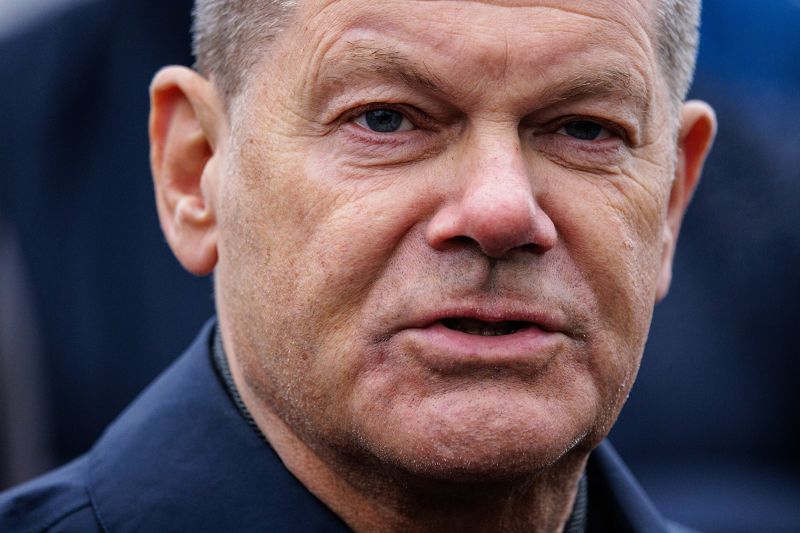
German Chancellor Olaf Scholz confirmed that Europe is making diligent efforts to end the increasing tensions in the Middle East. These statements come amid escalating conflicts in the region, necessitating international intervention to ensure stability and peace.
Scholz emphasized the importance of dialogue and cooperation between European nations and the countries involved in the Middle East, stating that peaceful solutions are the only way to achieve stability. He also noted that Europe is closely monitoring the situation and is working to provide necessary support to affected countries.
Event Details
The Chancellor's remarks come at a time when the region is witnessing an escalation in conflicts, particularly due to the multiple crises facing countries like Syria and Palestine. Numerous reports have confirmed that the humanitarian situation in these countries is continuously deteriorating, prompting urgent action from the international community.
In this context, Scholz called for enhanced cooperation between European and Arab nations, indicating that dialogue is key to resolving crises. He also stressed the importance of supporting initiatives aimed at achieving peace and stability in the region.
Background & Context
Historically, the Middle East has seen numerous conflicts that have significantly impacted the stability of the region. For decades, conflicts between Arab nations and Israel, along with internal crises in countries like Iraq and Syria, have been among the major challenges facing the area.
In recent years, tensions have intensified due to external interventions and internal strife, exacerbating humanitarian conditions. These crises have led to the displacement of millions of civilians, necessitating urgent action from the international community.
Impact & Consequences
Conflicts in the Middle East directly affect security and stability in Europe. As the number of refugees fleeing conflicts increases, European countries face new challenges related to migration and integration. Moreover, ongoing tensions could worsen economic and social conditions in European nations.
Furthermore, instability in the Middle East may impact energy prices and global markets, prompting European nations to take proactive measures to ensure their economic stability.
Regional Significance
The German Chancellor's statements serve as a call for Arab nations to work together to achieve peace and stability in the region. Cooperation between Arab countries and Europe can contribute to addressing current crises and achieving sustainable development.
Additionally, enhancing dialogue between Arab nations and Israel could help ease tensions and achieve peace, benefiting all parties involved. Ultimately, hope remains pinned on international and regional efforts to achieve stability in the Middle East.