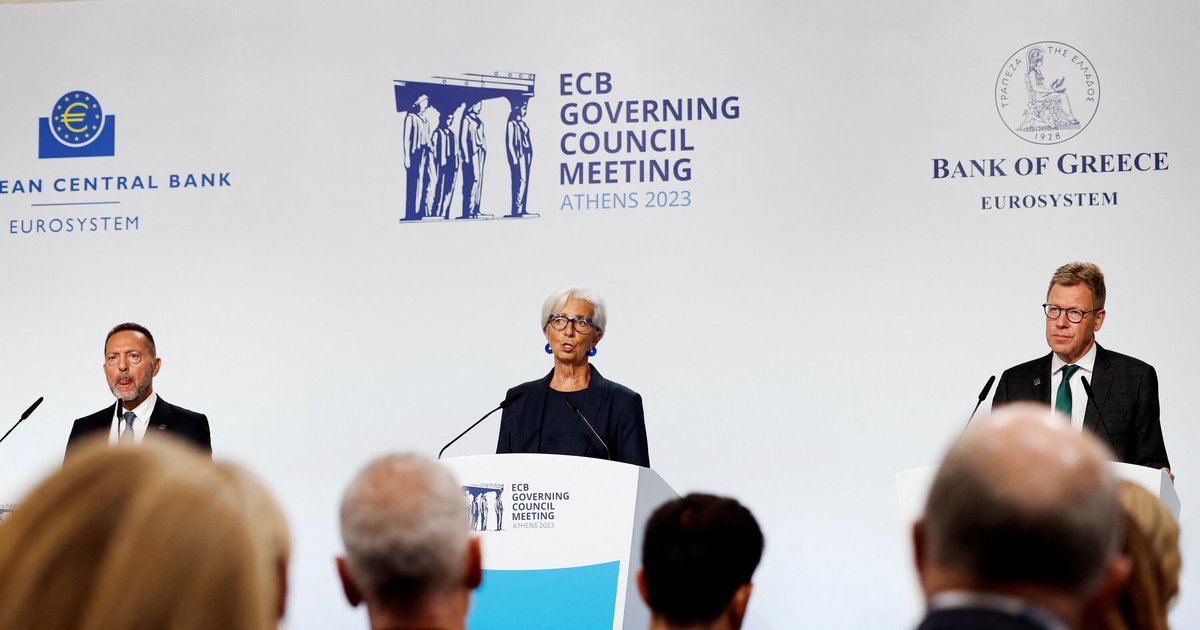
A senior official at the European Central Bank has confirmed that the sharp rise in energy prices due to the conflict in the Middle East highlights the urgent need for Europe to reduce its reliance on fossil fuels. These remarks, made in an opinion piece published by the Financial Times, represent a clear call for a transition towards renewable energy sources.
European governments are under increasing pressure due to the ongoing rise in energy prices, which directly impacts the European economy. The official noted that this situation compels European nations to take serious steps towards achieving energy sustainability, especially in light of the growing geopolitical challenges.
Details of the Current Energy Crisis
These statements come at a time when Europe is suffering from a severe energy crisis, with gas and oil prices rising significantly due to ongoing conflicts in the Middle East. This has led to increased living costs and pressure on households and businesses. In this context, European officials have called for enhanced investment in renewable energy as a long-term solution.
European countries are striving to reduce their reliance on fossil fuels, which are a major source of carbon emissions. Statistics show that many European nations have already begun implementing strategies to transition to clean energy, but progress remains slow compared to the urgent need.
Background & Context
Over the years, Europe has heavily depended on fossil fuels, particularly Russian gas. As geopolitical tensions have escalated, it has become clear that this dependency poses a risk to European energy security. The conflict in Ukraine has prompted a reevaluation of energy strategies in many European countries, pushing them to seek more sustainable alternatives.
Historically, Europe has aimed to achieve its climate goals through international agreements such as the Paris Agreement. However, the current crises may accelerate these efforts, as countries seek greater energy independence.
Impact & Consequences
The current crisis may hasten the transition towards renewable energy, opening doors for innovation and investment in this sector. However, a rapid transition may face challenges, such as the need to upgrade infrastructure and secure necessary funding.
In the short term, high energy prices may increase pressure on governments to provide support to affected households and businesses. Yet in the long term, this transition could present an opportunity to bolster the green economy and create new jobs in the renewable energy sector.
Regional Significance
These developments are crucial for ensuring energy sustainability in Europe and reducing reliance on fossil fuels, contributing to the achievement of climate goals. The shift towards renewable energy not only addresses immediate economic pressures but also positions Europe as a leader in the global energy transition.
As Europe navigates these challenges, the commitment to renewable energy could redefine its energy landscape, fostering resilience against future crises and enhancing its role in global climate initiatives.