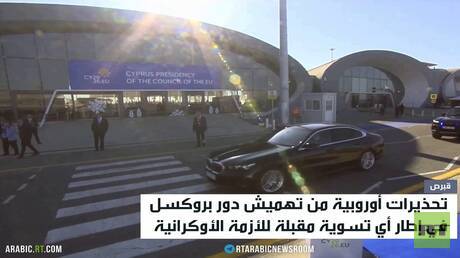
European Union Foreign Policy Commissioner Kaia Kalas asserted that any negotiations concerning the Ukrainian conflict must take place solely between Moscow and Kyiv, emphasizing the necessity for Europe to be part of any potential negotiation pathway. This declaration comes at a sensitive time as international pressures to resolve the conflict, which has persisted for over a year, continue to mount.
Through these statements, Europe aims to strengthen its role in the peace process, considering it has a significant interest in the stability of the region. Kalas expressed the EU's readiness to provide the necessary support to achieve this goal, reflecting the Union's commitment to continue working towards finding lasting solutions to the conflict.
Details of the Statement
In her remarks, Kalas clarified that any discussions should focus on the core issues that led to the dispute, indicating that Europe cannot remain a bystander while crucial decisions about Ukraine's future are being made. She also stressed the importance of direct dialogue between the involved parties, with Europe needing to be part of this dialogue.
These statements come at a time when fears of escalating the conflict are increasing, as Russian forces continue their military operations in eastern Ukraine. Recent reports have shown that the humanitarian situation in the region is deteriorating, necessitating urgent international intervention.
Background & Context
Since the onset of the conflict in 2014, Ukraine has witnessed heightened tensions between the Ukrainian government and Russian-backed separatists. These events have led to international sanctions against Russia, impacting the Russian economy and causing political tensions in the region. In this context, the EU seeks to bolster its position as an effective mediator in the peace process.
There is also a long history of international discussions regarding Ukraine, including the Minsk Agreements, which aim to end the conflict. However, the lack of commitment from the involved parties has resulted in the ongoing crisis.
Impact & Consequences
If Europe is effectively involved in the negotiations, it could lead to positive outcomes, contributing to greater stability in the region. Additionally, Europe's presence at the negotiation table could enhance Ukraine's position and increase the chances of achieving peace.
However, there are concerns that escalating the conflict could have negative repercussions on European security, especially amid rising tensions between Russia and Western nations. Therefore, any diplomatic efforts must be carefully considered to avoid exacerbating the situation.
Regional Significance
The developments in Ukraine are particularly significant for the Arab region, as they could impact energy prices and global markets. Given the current crises, any escalation in the conflict could lead to higher oil prices, affecting the economies of energy-importing Arab countries.
Moreover, the situation in Ukraine may reflect similar challenges faced by some Arab nations in the context of internal and external conflicts, necessitating a study of international experiences in conflict management.
In conclusion, negotiations regarding Ukraine remain a vital topic requiring ongoing international attention, as achieving peace in the region has far-reaching implications for global security and stability.